Snellville, GA · Gwinnett County
Attic Water Removal in Snellville, GAAttic Drying Services & Ceiling Water Damage Cleanup
Attic Water Removal in Snellville runs from roof leak water removal and wet attic insulation removal to ceiling water damage cleanup.
Answered 24/7
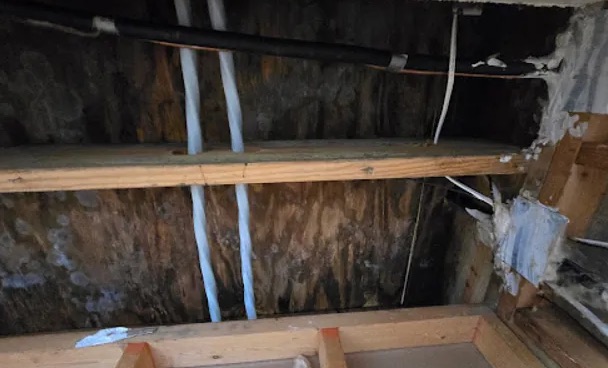
Attic Water Removal Services for Snellville Homes
Attic Water Removal in Snellville is about protecting the ceiling. Water on top of drywall soaks in and adds weight, and wet insulation keeps it soaking long after the leak stops.
A heavy storm in Snellville can push water into an attic overnight. Local water extraction specialists serve Snellville and nearby Grayson, Loganville and Lawrenceville, with help available around the clock.
Detailed Attic Water Removal Solutions
Attic Drying Services
Air movers and dehumidifiers are placed on boards across the joists so they can run safely without stressing the drywall.
Ceiling Water Damage Cleanup
Fallen drywall, wet insulation and debris in the room below are cleaned up, and floors and furniture are protected during the work.
Roof Leak Water Removal
The entry point is photographed and marked, which helps both the roofer and your insurance adjuster.
Emergency Attic Water Extraction
Water sitting on top of ceiling drywall adds weight fast. Removing it quickly can mean the difference between drying a ceiling and replacing it.
Attic Leak Water Cleanup
Water-stained debris, wet cardboard and soaked stored items are cleared out so the attic floor can be dried.
When to Consider Attic Water Removal in Snellville
Peeling Paint on Ceilings or Walls
Paint that peels or blisters on upstairs ceilings and walls often has water behind it.
Rotting Wood on Attic Beams
Soft, dark or crumbling wood on rafters and beams points to long-term moisture.
Increased Indoor Humidity Levels
Upstairs rooms that feel sticky or humid may have moisture coming down from the attic.
Sagging or Bubbling Ceiling Drywall
Ceiling drywall that sags, bulges or bubbles at the seams is holding water and may fall.
How Attic Water Removal Works in Snellville
Step 1: Attic Flood Cleanup Response
Active drips are contained with buckets and plastic, and the room below is protected.
Step 2: Targeted Attic Moisture Removal
Water is vacuumed from between joists and on top of drywall, starting where it is deepest.
Step 3: Attic Dehumidification
Dehumidifiers pull moisture from the attic air while air movers dry the wet framing.
Step 4: Documentation for Restoration
Photos and moisture readings are compiled to show what was removed and when the attic dried.
Typical Sources of Attic Water Damage
Appliance Malfunctions Like Water Heater Leaks
Water heaters located in the attic can leak or fail, flooding the attic floor.
Condensation From Poor Attic Ventilation
Moist air from the house condenses on roof decking when attic ventilation is poor.
Roof Leaks From Damaged Shingles
Cracked, missing or lifted shingles let rain reach the decking and drip into the attic.
Overflow From Clogged Bathroom Exhaust Ducts
Bathroom fan ducts that are loose or vented into the attic release moisture onto the wood.
Residential and Commercial Attic Water Removal in Snellville
Residential Attic Water Removal
In two-story homes, attic water can run down inside walls to the floor below. Walls under the leak are checked with a meter and dried if needed.
Commercial Attic Water Removal
Flat-roof buildings often have water that travels far before it drips. The path above the ceiling is traced so every wet section is found.
The Risks of DIY Attic Water Removal in Snellville
A fan in the room below does little for wet attic wood. Drying the attic takes equipment up there and readings to confirm it is dry.
Factors Influencing Attic Water Removal Cost
An attic leak handled the same day in Snellville usually costs less than one left until the ceiling sags and has to be torn out.
Emergency Service Timing
Storm, night and holiday calls can cost more than a scheduled visit.
Mold Prevention Measures
Antimicrobial treatment of wood that stayed wet is an added step, priced by area.
Secondary Damage Repairs
Ceiling drywall replacement and paint in the room below add to the total.
Does Insurance Cover Attic Water Removal?
Coverage for attic water removal depends on the cause and your policy terms. The pros document the damage and drying, and your insurer decides what is covered.
The Value of Local Attic Water Removal Experts
Post-Cleanup Verification
Final readings confirm the attic is dry before new insulation goes in.
Mold Inhibitor Application
Wood that stayed wet can be treated with an antimicrobial after it is dried.
Advanced Moisture Detection
Moisture meters and thermal cameras find wet wood and insulation that look dry.
Round-the-Clock Attic Water Removal for Snellville
Wet insulation keeps the ceiling soaking every hour it stays. Call (770) 800-8286 for attic water removal in Snellville as soon as you see a stain or drip.
Call Now (770) 800-8286Attic Water Removal Near Snellville: Areas Served
Attic water removal and drying also cover homes and buildings in Grayson, Loganville and Lawrenceville, close to Snellville, day or night.
- Attic Water Removal in Grayson
- Attic Water Removal in Loganville
- Attic Water Removal in Lawrenceville
- Attic Water Removal in Lilburn
- Attic Water Removal in Dacula
- Attic Water Removal in Norcross
- Attic Water Removal in Duluth
- Attic Water Removal in Conyers
- Emergency Damage Restoration in 30039
- Storm Damage Restoration in 30039
- Water Damage Restoration in 30039
- Water Extraction Service in 30039
- Water Leak Detection in 30039
- Water Removal Service in 30039
- Emergency Damage Restoration in 30078
- Storm Damage Restoration in 30078
Attic Water Removal FAQs
Why is emergency attic drying important?
Wet wood and drywall break down quickly. Drying fast saves more of the ceiling and lowers the risk of microbial growth.
Can I remove attic water myself?
Only small amounts that are easy to reach safely. Pooled water and soaked insulation need safe footing and drying equipment.
How quickly should I deal with water in my attic?
Right away. Water on top of ceiling drywall soaks in and adds weight, and the ceiling can sag or fall within a day.
What causes attic water damage?
Roof leaks, plumbing failures, attic AC overflows, water heater leaks, loose bath fan ducts and poor ventilation.
What equipment is used for attic water extraction?
Wet vacs, pumps, air movers, dehumidifiers, moisture meters and thermal cameras, plus vacuums for wet insulation.