Loganville, GA · Walton County
Attic Water Removal in Loganville, GARoof Leak Water Removal & Attic Leak Water Cleanup
Get attic water removal in Loganville for attic moisture inspection, attic leak water cleanup and attic mold prevention.
Answered 24/7
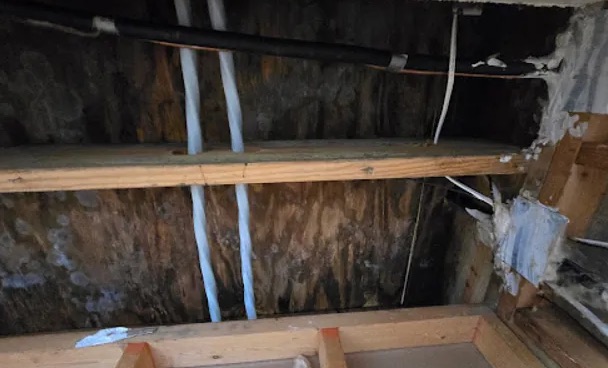
Expert Attic Water Removal for Loganville
A ceiling stain in a Loganville home is usually the last sign of an attic leak, not the first. By the time it shows, insulation and decking above may already be wet across a wide area.
In Loganville, Grayson, Snellville and Lawrenceville, many attic leaks go unnoticed until the ceiling stains. The pros get the water and wet insulation out before the ceiling has to be replaced.
The Attic Water Removal Process in Loganville
Roof Leak Water Removal
Rainwater from a roof leak is removed from the attic, and the wet path along the decking is followed back to where it entered.
Attic Leak Water Cleanup
The leak is stopped or tarped first, then water on the attic floor, on top of the drywall and around ducts and wiring is removed with wet vacs.
Emergency Attic Water Extraction
Water sitting on top of ceiling drywall adds weight fast. Removing it quickly can mean the difference between drying a ceiling and replacing it.
Ceiling Water Damage Cleanup
After the ceiling cavity is dry, the opening is ready for new drywall, tape and paint.
Attic Moisture Inspection
Readings are recorded at the start and at each visit, giving a clear drying history for your records and insurer.
Symptoms Requiring Attic Water Removal in Loganville
Musty Odors in Your Home
A musty smell upstairs or at the attic hatch often points to wet insulation or damp wood above.
Puddles or Standing Water in Attic
Pooled water on the attic floor or on top of drywall needs removal right away.
High Utility Bills Unexpectedly
Wet insulation loses its insulating value, so energy bills can rise after an attic leak.
Peeling Paint on Ceilings or Walls
Paint that peels or blisters on upstairs ceilings and walls often has water behind it.
How Attic Water Removal Works in Loganville
Step 1: Attic Flood Cleanup Response
Active drips are contained with buckets and plastic, and the room below is protected.
Step 2: Targeted Attic Moisture Removal
Water is vacuumed from between joists and on top of drywall, starting where it is deepest.
Step 3: Attic Dehumidification
Dehumidifiers pull moisture from the attic air while air movers dry the wet framing.
Step 4: Documentation for Restoration
Photos and moisture readings are compiled to show what was removed and when the attic dried.
Typical Sources of Attic Water Damage
Storm Damage From High Winds or Hail
High winds and hail can damage shingles and open the roof to rain during a storm.
Overflow From Clogged Bathroom Exhaust Ducts
Bathroom fan ducts that are loose or vented into the attic release moisture onto the wood.
Flashing Failures Around Roof Penetrations
Failed flashing around vents, chimneys and skylights lets rain run into the attic.
HVAC System Leaks or Drain Pan Overflow
An attic air handler overflows when its condensate line clogs or the drain pan cracks.
Both Residential & Commercial Attic Water Removal
Residential Attic Water Removal
In townhomes and condos, a shared attic can carry water into a neighbor's ceiling. Clear photos and readings help sort out repairs with the association.
Commercial Attic Water Removal
Property managers get records for each affected suite or unit, which helps with roof repair planning and insurance claims.
Attic Water Removal vs. DIY: When to Call the Pros
A fan in the room below does little for wet attic wood. Drying the attic takes equipment up there and readings to confirm it is dry.
Understanding Attic Water Removal Pricing
Roof or plumbing repair is billed separately from water removal and drying. In Loganville, both are needed after most attic leaks.
Emergency Service Timing
Storm, night and holiday calls can cost more than a scheduled visit.
Mold Prevention Measures
Antimicrobial treatment of wood that stayed wet is an added step, priced by area.
Type of Insulation Affected
Blown-in insulation takes more time to remove than batts, and both add disposal costs.
Does Insurance Cover Attic Water Removal?
Photograph the attic, the ceiling and any roof damage before cleanup, and keep receipts for tarping and emergency water removal.
Selecting Local Pros in Loganville for Attic Water Removal
Post-Cleanup Verification
Final readings confirm the attic is dry before new insulation goes in.
Damage Documentation
Photos, readings and a list of removed materials are kept for insurance.
Advanced Moisture Detection
Moisture meters and thermal cameras find wet wood and insulation that look dry.
Round-the-Clock Attic Water Removal for Loganville
Water dripping through your ceiling in Loganville? Put a bucket under it, move belongings and call (770) 800-8286. Attic water removal is available 24/7.
Call Now (770) 800-8286Communities Served for Attic Water Removal
Nearby areas served for attic water removal include Grayson, Snellville and Lawrenceville, with the same water removal and drying steps used in Loganville.
- Attic Water Removal in Grayson
- Attic Water Removal in Snellville
- Attic Water Removal in Lawrenceville
- Attic Water Removal in Dacula
- Attic Water Removal in Monroe
- Attic Water Removal in Lilburn
- Attic Water Removal in Auburn
- Attic Water Removal in Norcross
- Emergency Damage Restoration in 30052
- Storm Damage Restoration in 30052
- Water Damage Restoration in 30052
- Water Extraction Service in 30052
- Water Leak Detection in 30052
- Water Removal Service in 30052
Frequently Asked Questions About Attic Water Removal
What causes attic water damage?
Roof leaks, plumbing failures, attic AC overflows, water heater leaks, loose bath fan ducts and poor ventilation.
How long does attic drying take?
Often several days, depending on how wet the wood is, the attic temperature and how much insulation was removed.
How can mold be prevented after attic water removal?
By drying wood quickly, fixing ventilation problems and treating framing that stayed wet with an antimicrobial.
How do professionals dry an attic?
With air movers and dehumidifiers placed on boards across the joists, checking moisture readings daily until the wood is dry.
What equipment is used for attic water extraction?
Wet vacs, pumps, air movers, dehumidifiers, moisture meters and thermal cameras, plus vacuums for wet insulation.