Lilburn, GA · Gwinnett County
Attic Water Removal in Lilburn, GARoof Leak Water Removal & Attic Drying Services
Homeowners in Lilburn get Attic Water Removal for emergency attic water extraction, attic moisture inspection and attic drying services.
Answered 24/7
Local Attic Water Removal Solutions in Lilburn
Attic Water Removal in Lilburn covers both the attic and the room below. Water rarely stays on the attic floor; it soaks the ceiling and sometimes runs down the walls.
Homeowners in Lilburn can call (770) 800-8286 day or night when water starts coming through the ceiling. Service also covers Norcross, Berkeley Lake and Peachtree Corners, with the same inspection and drying steps.
Comprehensive Attic Water Removal Offerings
Roof Leak Water Removal
The entry point is photographed and marked, which helps both the roofer and your insurance adjuster.
Attic Drying Services
Drying continues until rafters, decking and ceiling drywall reach normal moisture readings, which is often several days.
Attic Leak Water Cleanup
The leak is stopped or tarped first, then water on the attic floor, on top of the drywall and around ducts and wiring is removed with wet vacs.
Attic Mold Prevention
Fast drying is the main protection. Antimicrobial treatment is added only where framing and decking stayed wet long enough to need it.
Attic Moisture Inspection
The inspection shows the full spread of the leak, so every wet area is either dried or removed.
Symptoms Requiring Attic Water Removal in Lilburn
Wet or Damp Attic Insulation
Insulation that feels damp, looks dark or has packed down in one area has absorbed water.
Increased Indoor Humidity Levels
Upstairs rooms that feel sticky or humid may have moisture coming down from the attic.
Visible Mold in Attic Spaces
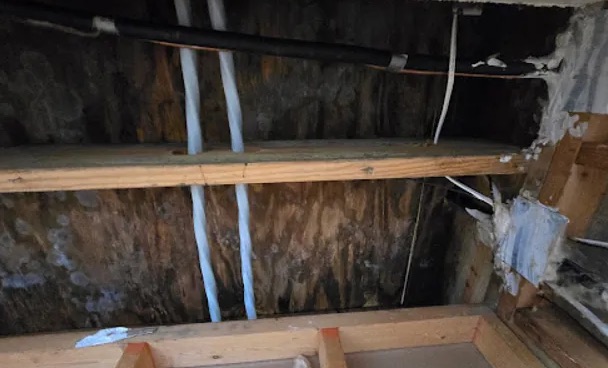
Dark spots on rafters or roof decking mean the wood has stayed damp for days or longer.
Musty Odors in Your Home
A musty smell upstairs or at the attic hatch often points to wet insulation or damp wood above.
How Attic Water Removal Works in Lilburn
Step 1: Source Control and Water Removal
The roof is tarped or the line shut off, and pooled water is removed from the attic floor.
Step 2: Wet Attic Cleanup and Debris Removal
Soaked insulation, wet debris and stored items are cleared so the wood and drywall can dry.
Step 3: Structural Drying and Dehumidification
Air movers and dehumidifiers are set on boards in the attic and run until readings drop.
Step 4: Final Attic Moisture Check
Decking, rafters and the ceiling below are tested to confirm they are dry before repairs.
Leading Origins of Attic Water Damage
Burst or Leaking Plumbing Pipes
Supply lines and drain pipes in the attic can crack or burst onto the ceiling.
Flashing Failures Around Roof Penetrations
Failed flashing around vents, chimneys and skylights lets rain run into the attic.
Roof Leaks From Damaged Shingles
Cracked, missing or lifted shingles let rain reach the decking and drip into the attic.
Appliance Malfunctions Like Water Heater Leaks
Water heaters located in the attic can leak or fail, flooding the attic floor.
Attic Water Removal for Homes and Businesses
Residential Attic Water Removal
In townhomes and condos, a shared attic can carry water into a neighbor's ceiling. Clear photos and readings help sort out repairs with the association.
Commercial Attic Water Removal
Property managers get records for each affected suite or unit, which helps with roof repair planning and insurance claims.
Attic Water Removal vs. DIY: When to Call the Pros
If you can do it safely, look into the attic with a flashlight to find the wet area. Removing soaked insulation and drying the framing needs boards, protective gear and equipment.
What Affects Attic Water Removal Cost in Lilburn
In Lilburn, the biggest costs in attic jobs are usually insulation removal, drying equipment days and ceiling repair in the room below.
Mold Prevention Measures
Antimicrobial treatment of wood that stayed wet is an added step, priced by area.
Extent of Water Damage
A leak confined to one bay costs less than water spread across the attic and the rooms below.
Type of Insulation Affected
Blown-in insulation takes more time to remove than batts, and both add disposal costs.
Does Insurance Cover Attic Water Removal?
Photograph the attic, the ceiling and any roof damage before cleanup, and keep receipts for tarping and emergency water removal.
Selecting Local Pros in Lilburn for Attic Water Removal
24/7 Emergency Response
Help is available day or night when water is coming through the ceiling.
Post-Cleanup Verification
Final readings confirm the attic is dry before new insulation goes in.
Damage Documentation
Photos, readings and a list of removed materials are kept for insurance.
Round-the-Clock Attic Water Removal for Lilburn
Night, weekend or holiday, local attic drying specialists handle attic water in Lilburn. Call (770) 800-8286 to get the water out and the ceiling protected.
Call Now (770) 800-8286Attic Water Removal Near Lilburn: Areas Served
Need attic water removal outside Lilburn? Service also covers Norcross, Berkeley Lake and Peachtree Corners, including emergency help after storms.
- Attic Water Removal in Norcross
- Attic Water Removal in Berkeley Lake
- Attic Water Removal in Peachtree Corners
- Attic Water Removal in Snellville
- Attic Water Removal in Duluth
- Attic Water Removal in Lawrenceville
- Attic Water Removal in Grayson
- Attic Water Removal in Suwanee
- Emergency Damage Restoration in 30047
- Storm Damage Restoration in 30047
- Water Damage Restoration in 30047
- Water Extraction Service in 30047
- Water Leak Detection in 30047
- Water Removal Service in 30047
- Emergency Damage Restoration in 30048
- Storm Damage Restoration in 30048
Attic Water Removal Questions and Answers
What happens during wet attic cleanup?
Water, wet insulation and debris are removed, stored items are moved out and the attic floor is cleaned before drying.
What are attic dehumidification services?
Dehumidifiers placed in the attic pull moisture from the air and wood, speeding drying after a leak.
What is involved in attic water removal?
Stopping the source, removing pooled water, bagging wet insulation, drying the framing and decking, and checking the ceiling below.
Is attic flood cleanup different from a small leak?
The steps are the same, but a flooded attic needs more extraction, more insulation removal and usually ceiling replacement.
Can I remove attic water myself?
Only small amounts that are easy to reach safely. Pooled water and soaked insulation need safe footing and drying equipment.