Duluth, GA · Gwinnett County
Attic Water Removal in Duluth, GAAttic Drying Services & Roof Leak Water Removal
Get attic water removal in Duluth for attic moisture inspection, attic leak water cleanup and attic mold prevention.
Answered 24/7
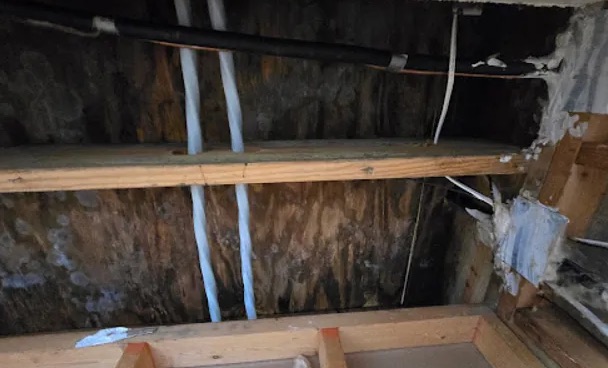
Professional Attic Water Removal in Duluth, GA
In Duluth, the most common attic water sources are roof leaks, attic AC units and plumbing that runs through the attic. Each one needs to be stopped before drying can work.
Homes in Duluth and nearby Berkeley Lake, Johns Creek and Peachtree Corners often have AC units, ducts and plumbing in the attic, as well as insulation. The pros handle water from any of those sources, plus roof leaks after storms.
Detailed Attic Water Removal Solutions
Attic Drying Services
Equipment is adjusted daily, moving airflow from areas that are dry to areas that still read wet.
Roof Leak Water Removal
A temporary tarp over the damaged section keeps more rain out until the roofer can make a permanent repair.
Attic Leak Water Cleanup
The leak is stopped or tarped first, then water on the attic floor, on top of the drywall and around ducts and wiring is removed with wet vacs.
Ceiling Water Damage Cleanup
After the ceiling cavity is dry, the opening is ready for new drywall, tape and paint.
Emergency Attic Water Extraction
Emergency extraction starts with buckets and containment under active drips, then moves to pulling pooled water off the attic floor.
When to Consider Attic Water Removal in Duluth
Musty Odors in Your Home
A musty smell upstairs or at the attic hatch often points to wet insulation or damp wood above.
High Utility Bills Unexpectedly
Wet insulation loses its insulating value, so energy bills can rise after an attic leak.
Water Stains on Ceiling
A brown ring or yellow patch on an upstairs ceiling usually means water is sitting on the drywall from the attic.
Sagging or Bubbling Ceiling Drywall
Ceiling drywall that sags, bulges or bubbles at the seams is holding water and may fall.
How Attic Water Removal Works in Duluth
Step 1: Containment and Safety Setup
Power to wet fixtures is shut off and plastic sheeting protects the room below.
Step 2: Roof Leak Water Removal and Cleanout
Rainwater is removed, a tarp is placed over roof damage, and wet debris is cleared.
Step 3: Moisture Evaporation and Attic Drying
Equipment runs on safe footing in the attic, with readings checked each day.
Step 4: Validation of Dry Conditions
Final readings are compared to dry areas to confirm the attic is ready for new insulation.
Common Causes of Attic Water Damage in Duluth
Appliance Malfunctions Like Water Heater Leaks
Water heaters located in the attic can leak or fail, flooding the attic floor.
Clogged or Disconnected Gutters
Clogged or loose gutters let water back up under the roof edge and into the soffits.
Burst or Leaking Plumbing Pipes
Supply lines and drain pipes in the attic can crack or burst onto the ceiling.
HVAC System Leaks or Drain Pan Overflow
An attic air handler overflows when its condensate line clogs or the drain pan cracks.
Attic Water Removal for All Property Types in Duluth
Residential Attic Water Removal
Homeowners with stored items in the attic need those moved out first. Wet boxes are dried or discarded before the attic floor is cleaned and dried.
Commercial Attic Water Removal
Offices and stores need the space below protected while attic work is under way. Drying is planned around business hours where possible.
Attic Water Removal vs. DIY: When to Call the Pros
A fan in the room below does little for wet attic wood. Drying the attic takes equipment up there and readings to confirm it is dry.
Factors Influencing Attic Water Removal Cost
The cost of attic water removal in Duluth depends on how far the water spread, how much insulation is wet and whether ceiling drywall below must be replaced.
Extent of Water Damage
A leak confined to one bay costs less than water spread across the attic and the rooms below.
Mold Prevention Measures
Antimicrobial treatment of wood that stayed wet is an added step, priced by area.
Access and Attic Complexity
Low headroom and small access hatches make attic work slower than open spaces.
Does Insurance Cover Attic Water Removal?
Ceiling damage in the rooms below is usually part of the same attic claim. Make sure the adjuster sees both spaces.
Benefits of Local Pros for Attic Water Removal
Mold Inhibitor Application
Wood that stayed wet can be treated with an antimicrobial after it is dried.
Industry Drying Standards
Drying follows industry water damage standards, with moisture readings taken at every visit.
Source Identification
The pros trace the water to its source and note it for the roofer or plumber.
24-Hour Emergency Attic Water Removal Near Duluth
Wet insulation keeps the ceiling soaking every hour it stays. Call (770) 800-8286 for attic water removal in Duluth as soon as you see a stain or drip.
Call Now (770) 800-8286Nearby Towns for Attic Water Removal from Duluth
Attic water removal and drying also cover homes and buildings in Berkeley Lake, Johns Creek and Peachtree Corners, close to Duluth, day or night.
- Attic Water Removal in Berkeley Lake
- Attic Water Removal in Johns Creek
- Attic Water Removal in Peachtree Corners
- Attic Water Removal in Suwanee
- Attic Water Removal in Norcross
- Attic Water Removal in Lawrenceville
- Attic Water Removal in Lilburn
- Attic Water Removal in Buford
- Emergency Damage Restoration in 30026
- Storm Damage Restoration in 30026
- Water Damage Restoration in 30026
- Water Extraction Service in 30026
- Water Leak Detection in 30026
- Water Removal Service in 30026
- Emergency Damage Restoration in 30029
- Storm Damage Restoration in 30029
Your Attic Water Removal FAQs Resolved
What is an attic moisture inspection?
A check of rafters, decking, insulation and the ceiling below with moisture meters and thermal cameras to find all wet areas.
Is attic flood cleanup different from a small leak?
The steps are the same, but a flooded attic needs more extraction, more insulation removal and usually ceiling replacement.
What are attic dehumidification services?
Dehumidifiers placed in the attic pull moisture from the air and wood, speeding drying after a leak.
What causes attic water damage?
Roof leaks, plumbing failures, attic AC overflows, water heater leaks, loose bath fan ducts and poor ventilation.
What happens during wet attic cleanup?
Water, wet insulation and debris are removed, stored items are moved out and the attic floor is cleaned before drying.