Covington, GA · Newton County
Attic Water Removal in Covington, GARoof Leak Water Removal & Wet Attic Insulation Removal
Attic Water Removal in Covington includes emergency attic water extraction, ceiling water damage cleanup and attic drying services after a leak.
Answered 24/7
Expert Attic Water Removal for Covington
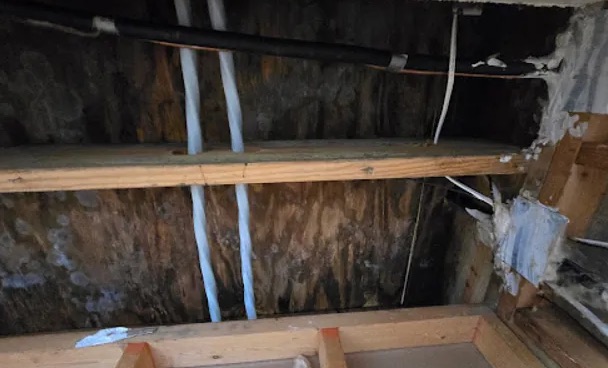
Attic leaks that run for a long time in Covington can rot roof decking and rust fasteners. Even after the roof is fixed, that wood stays wet unless it is dried.
Homes in Covington and nearby Social Circle, Conyers and Monroe often have AC units, ducts and plumbing in the attic, as well as insulation. The pros handle water from any of those sources, plus roof leaks after storms.
Comprehensive Attic Water Removal Offerings
Roof Leak Water Removal
A temporary tarp over the damaged section keeps more rain out until the roofer can make a permanent repair.
Wet Attic Insulation Removal
Insulation that got soaked is removed from the wet bays and bagged. Leaving it in place keeps the ceiling drywall damp for weeks.
Attic Moisture Inspection
Moisture meters and thermal cameras check rafters, decking, insulation and the ceiling below, even in spots that look dry.
Ceiling Water Damage Cleanup
After the ceiling cavity is dry, the opening is ready for new drywall, tape and paint.
Attic Mold Prevention
After drying, wood that was wet for more than a day or two can be treated with an antimicrobial to slow microbial growth.
Indicators of Attic Water Damage in Covington
Peeling Paint on Ceilings or Walls
Paint that peels or blisters on upstairs ceilings and walls often has water behind it.
Visible Mold in Attic Spaces
Dark spots on rafters or roof decking mean the wood has stayed damp for days or longer.
Water Dripping From Light Fixtures
Water dripping from a ceiling light or fan means an active leak above. Turn off that circuit.
Increased Indoor Humidity Levels
Upstairs rooms that feel sticky or humid may have moisture coming down from the attic.
How Attic Water Removal Works in Covington
Step 1: Attic Flood Cleanup Response
Active drips are contained with buckets and plastic, and the room below is protected.
Step 2: Targeted Attic Moisture Removal
Water is vacuumed from between joists and on top of drywall, starting where it is deepest.
Step 3: Attic Dehumidification
Dehumidifiers pull moisture from the attic air while air movers dry the wet framing.
Step 4: Documentation for Restoration
Photos and moisture readings are compiled to show what was removed and when the attic dried.
Leading Origins of Attic Water Damage
Storm Damage From High Winds or Hail
High winds and hail can damage shingles and open the roof to rain during a storm.
Burst or Leaking Plumbing Pipes
Supply lines and drain pipes in the attic can crack or burst onto the ceiling.
Appliance Malfunctions Like Water Heater Leaks
Water heaters located in the attic can leak or fail, flooding the attic floor.
Roof Leaks From Damaged Shingles
Cracked, missing or lifted shingles let rain reach the decking and drip into the attic.
Attic Water Removal for All Property Types in Covington
Residential Attic Water Removal
In townhomes and condos, a shared attic can carry water into a neighbor's ceiling. Clear photos and readings help sort out repairs with the association.
Commercial Attic Water Removal
Property managers get records for each affected suite or unit, which helps with roof repair planning and insurance claims.
The Risks of DIY Attic Water Removal in Covington
If you can do it safely, look into the attic with a flashlight to find the wet area. Removing soaked insulation and drying the framing needs boards, protective gear and equipment.
Attic Water Removal Cost in Covington, GA
The cost of attic water removal in Covington depends on how far the water spread, how much insulation is wet and whether ceiling drywall below must be replaced.
Secondary Damage Repairs
Ceiling drywall replacement and paint in the room below add to the total.
Mold Prevention Measures
Antimicrobial treatment of wood that stayed wet is an added step, priced by area.
Access and Attic Complexity
Low headroom and small access hatches make attic work slower than open spaces.
Does Insurance Cover Attic Water Removal?
Photos, moisture readings and drying logs from local attic water removal pros help support an insurance claim for attic water damage in Covington.
Why Choose Local Pros for Attic Water Removal in Covington
Industry Drying Standards
Drying follows industry water damage standards, with moisture readings taken at every visit.
Source Identification
The pros trace the water to its source and note it for the roofer or plumber.
Post-Cleanup Verification
Final readings confirm the attic is dry before new insulation goes in.
Round-the-Clock Attic Water Removal for Covington
Water in an attic reaches the ceiling below fast. Call (770) 800-8286 for attic water removal in Covington at any hour, including storms and holidays.
Call Now (770) 800-8286Attic Water Removal Service Area Around Covington
Help with attic water removal is also available in communities near Covington, including Social Circle, Conyers and Monroe, for roof leaks and attic plumbing failures.
- Attic Water Removal in Social Circle
- Attic Water Removal in Conyers
- Attic Water Removal in Monroe
- Attic Water Removal in Loganville
- Attic Water Removal in Snellville
- Attic Water Removal in Stockbridge
- Attic Water Removal in Madison
- Attic Water Removal in Grayson
- Emergency Damage Restoration in 30014
- Storm Damage Restoration in 30014
- Water Damage Restoration in 30014
- Water Extraction Service in 30014
- Water Leak Detection in 30014
- Water Removal Service in 30014
- Emergency Damage Restoration in 30015
- Storm Damage Restoration in 30015
Attic Water Removal FAQs
Is attic flood cleanup different from a small leak?
The steps are the same, but a flooded attic needs more extraction, more insulation removal and usually ceiling replacement.
Will attic water damage cause mold?
It can if wood and insulation stay wet for days. Fast removal and drying are the main ways to prevent mold.
What causes attic water damage?
Roof leaks, plumbing failures, attic AC overflows, water heater leaks, loose bath fan ducts and poor ventilation.
What is involved in attic water removal?
Stopping the source, removing pooled water, bagging wet insulation, drying the framing and decking, and checking the ceiling below.
What equipment is used for attic water extraction?
Wet vacs, pumps, air movers, dehumidifiers, moisture meters and thermal cameras, plus vacuums for wet insulation.