Snellville, GA · Gwinnett County
HVAC Leak Water Removal in Snellville, GAWet Insulation Removal Near HVAC & Moisture Remediation For HVAC Systems
HVAC Leak Water Removal in Snellville includes emergency HVAC leak cleanup, wet insulation removal near HVAC and coil leak water damage repair.
Answered 24/7
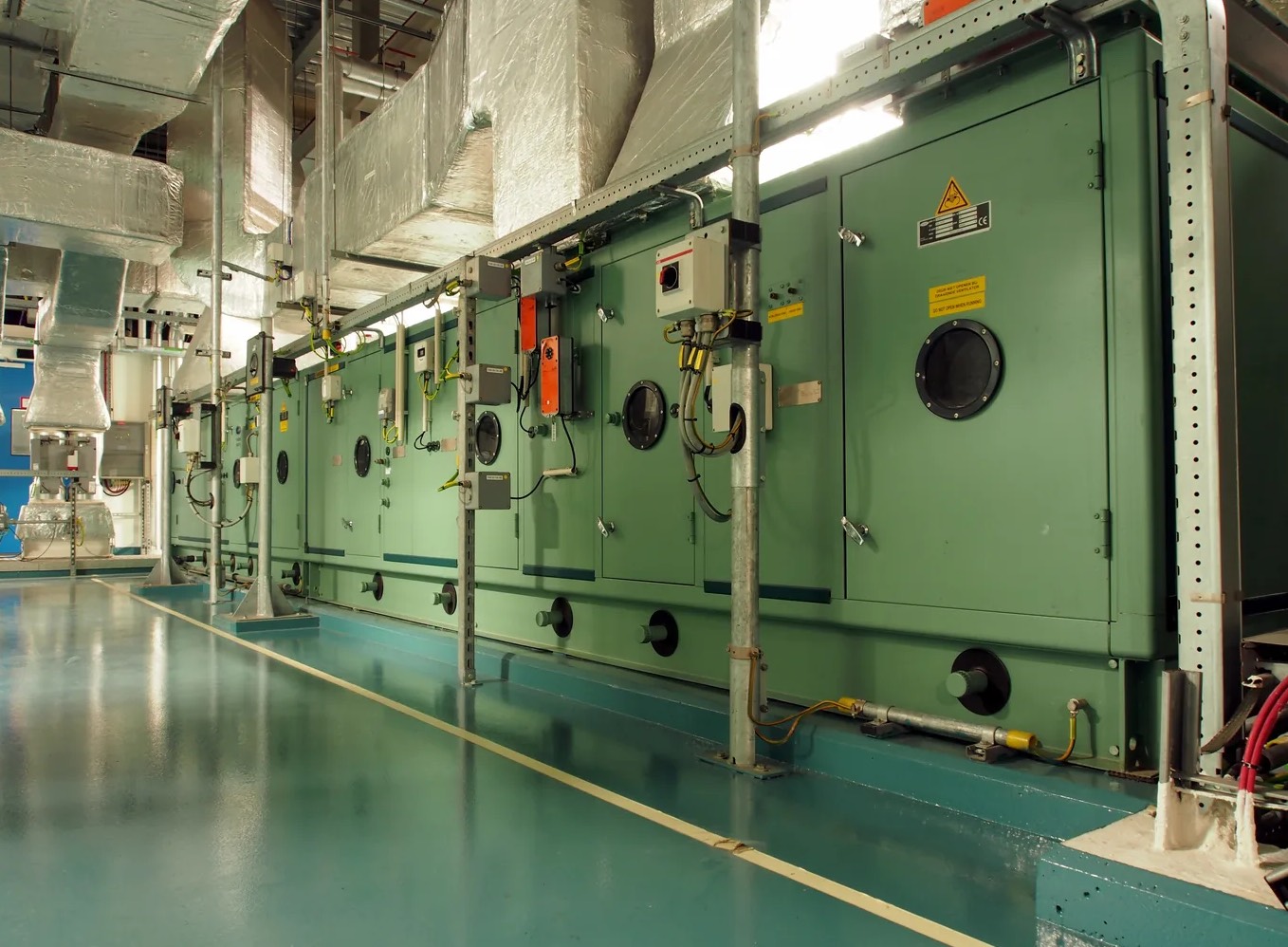
Local HVAC Leak Water Removal for Snellville, Georgia
Most air conditioner water damage in Snellville starts with a clogged drain line or a cracked pan. The leak is often slow, so drywall, flooring and insulation soak for days before anyone sees a stain.
When an HVAC leak occurs in Snellville, water needs to come out quickly to protect interior finishes and electrical systems. Local water removal pros serve this community and nearby areas like Grayson, Loganville and Lawrenceville, extracting water around the unit and drying wet ductwork before damage spreads.
Complete HVAC Leak Water Removal Services for Snellville
Wet Insulation Removal Near HVAC
Fiberglass insulation soaked by an HVAC leak becomes heavy and ineffective. Experts carefully remove this material to access hidden moisture.
Moisture Remediation for HVAC Systems
Removing standing water is only the first part. Moisture meters show water still held in drywall, insulation and wood, and readings continue until they are dry.
Emergency HVAC Leak Cleanup
A sudden major leak from a ruptured line or failed coil requires emergency cleanup. The priority is stopping the source and extracting standing water.
Coil Leak Water Damage Repair
A coil that has leaked for weeks often leaves wet framing and flooring around the unit. The pros remove the water and dry those materials, while an HVAC contractor fixes the coil.
Ductwork Condensation Water Removal
Humid air hitting cold metal ductwork makes it sweat and drip. Cleanup means drying the ducts and the drywall, insulation and flooring under them.
Warning Signs You Need HVAC Leak Water Removal
Musty Odors Near Air Vents
A musty smell when the system runs can point to wet insulation or mold inside the unit or ducts.
High Indoor Humidity Levels
A home feeling persistently muggy can mean the HVAC system is not properly removing airborne moisture.
AC Drain Line Overflowing
Water spilling from the condensate drain line or its overflow port means the drain is blocked and needs attention now.
Visible Rust on Metal Components
Rust forming on the evaporator coil cabinet, drain pan, or supports indicates prolonged moisture exposure.
How HVAC Leak Water Removal Works in Snellville
Step 1: Water Containment
The leak is contained first, then extractors pull water out of the HVAC cabinet and off the floor around it.
Step 2: HVAC Component Damage Evaluation
Wet parts like the drain pan, coil area and controls are noted so an HVAC contractor knows what to check or replace.
Step 3: Structural Drying Protocol
Drying equipment targets wet walls, subfloor and insulation near the unit so damage does not spread.
Step 4: Air Quality Sanitization
Once everything is dry, the cabinet area and nearby surfaces are cleaned to remove odor and residue.
What Causes HVAC Leaks Needing Water Removal in Snellville
Worn Gaskets or Seal Failures
Worn seals around access panels or coil sections let water escape the cabinet instead of reaching the pan.
Refrigerant Leak at the Coil
A pinhole leak in the evaporator coil itself can allow refrigerant and moisture to escape simultaneously.
Obstructed Air Filter or Ducts
Badly restricted airflow lets frost build on the cold coil, and the water floods the pan when it melts.
Excessive Ductwork Condensation
Poorly insulated ducts in humid spaces sweat and drip water into walls, ceilings and insulation.
HVAC Leak Water Removal for Homes & Businesses in Snellville
Residential HVAC Leak Water Removal
In homes with basements or a second-floor unit, an overflow can soak finished rooms below. The water is extracted and the ceiling, walls and floor are dried.
Commercial HVAC Leak Water Removal
In commercial buildings, water damage pros tackle HVAC drain line flood cleanup affecting server rooms, drop ceilings, and stock areas. They use industrial extractors and dehumidifiers for extraction and structural drying.
DIY vs. Professional HVAC Leak Water Removal in Snellville
After ensuring power is off, you can use a wet-dry vacuum on visible standing water near a leaking AC unit. Be cautious of electrical hazards. You can also set up fans to aid surface drying. Do not remove wet insulation or open sealed ductwork.
Understanding HVAC Leak Water Removal Costs in Snellville
The cost of HVAC leak cleanup depends on how easy the unit and ducts are to reach. The amount of wet insulation that has to come out is one of the biggest factors.
HVAC System Accessibility
Units in tight closets or attics take more labor to reach, clean around and dry.
Extent of Water Spread
Water from a leaking AC can travel along ducts and inside walls, which makes the drying area larger.
Water Contamination Category
Clean condensate is simpler to handle than dirty overflow from a drain line, which needs extra cleaning.
Does Insurance Cover HVAC Leak Water Removal?
Insurance for emergency water removal from a leaking AC unit is not certain. Coverage may apply if the leak is sudden and accidental. Gradual leakage from lack of maintenance is often excluded.
Advantages of Local Pros for HVAC Leak Water Removal in Snellville
Precision Wet Insulation Removal
Wet insulation near the unit is removed so it does not hold water against framing and grow mold.
Comprehensive Leak Source Identification
The pros trace the water to the drain line, coil or pan, so the right trade can fix the cause.
HVAC-Specific Moisture Detection
Moisture meters and thermal cameras find water in ducts, insulation and cabinets that you cannot see.
Emergency HVAC Leak Water Removal Services in Snellville
A leaking AC unit can cause rapid electrical and structural damage. For immediate HVAC leak water removal in Snellville, contact the pros at (770) 800-8286.
Call Now (770) 800-8286HVAC Leak Water Removal Service Area Around Snellville
In Snellville and nearby Grayson, Loganville and Lawrenceville, the pros handle water from HVAC cabinets, drain lines and wet insulation around the unit.
- HVAC Leak Water Removal in Grayson
- HVAC Leak Water Removal in Loganville
- HVAC Leak Water Removal in Lawrenceville
- HVAC Leak Water Removal in Lilburn
- HVAC Leak Water Removal in Dacula
- HVAC Leak Water Removal in Norcross
- HVAC Leak Water Removal in Duluth
- HVAC Leak Water Removal in Conyers
- Emergency Damage Restoration in 30039
- Storm Damage Restoration in 30039
- Water Damage Restoration in 30039
- Water Extraction Service in 30039
- Water Leak Detection in 30039
- Water Removal Service in 30039
- Emergency Damage Restoration in 30078
- Storm Damage Restoration in 30078
HVAC Leak Water Removal Common Questions
How quickly should I address AC unit water damage?
As soon as you see it. Water can reach wiring and soak drywall and insulation, and mold can start within a day or two in wet materials.
Why is quick action critical for a flooded HVAC unit?
Water can damage the unit's wiring, rust metal parts and soak into walls and floors, which makes repairs larger and more expensive.
What are signs of a leaking AC unit indoors?
Water around the indoor unit, stains on nearby walls or ceilings, a musty smell, or the system shutting off because its float switch tripped.
Can wet insulation near HVAC be saved?
Often, yes. Wet insulation loses its value and is hard to dry in tight spaces, so it is usually removed and replaced once the area is dry.
How long does wet ductwork drying typically take?
It depends on how much water there is and how easy it is to reach. Most jobs take two to four days of drying with commercial equipment.