Duluth, GA · Gwinnett County
HVAC Leak Water Removal in Duluth, GAMoisture Remediation For HVAC Systems & Wet Insulation Removal Near HVAC
HVAC Leak Water Removal in Duluth includes HVAC drain line flood cleanup, moisture remediation for HVAC systems and wet insulation removal near HVAC.
Answered 24/7
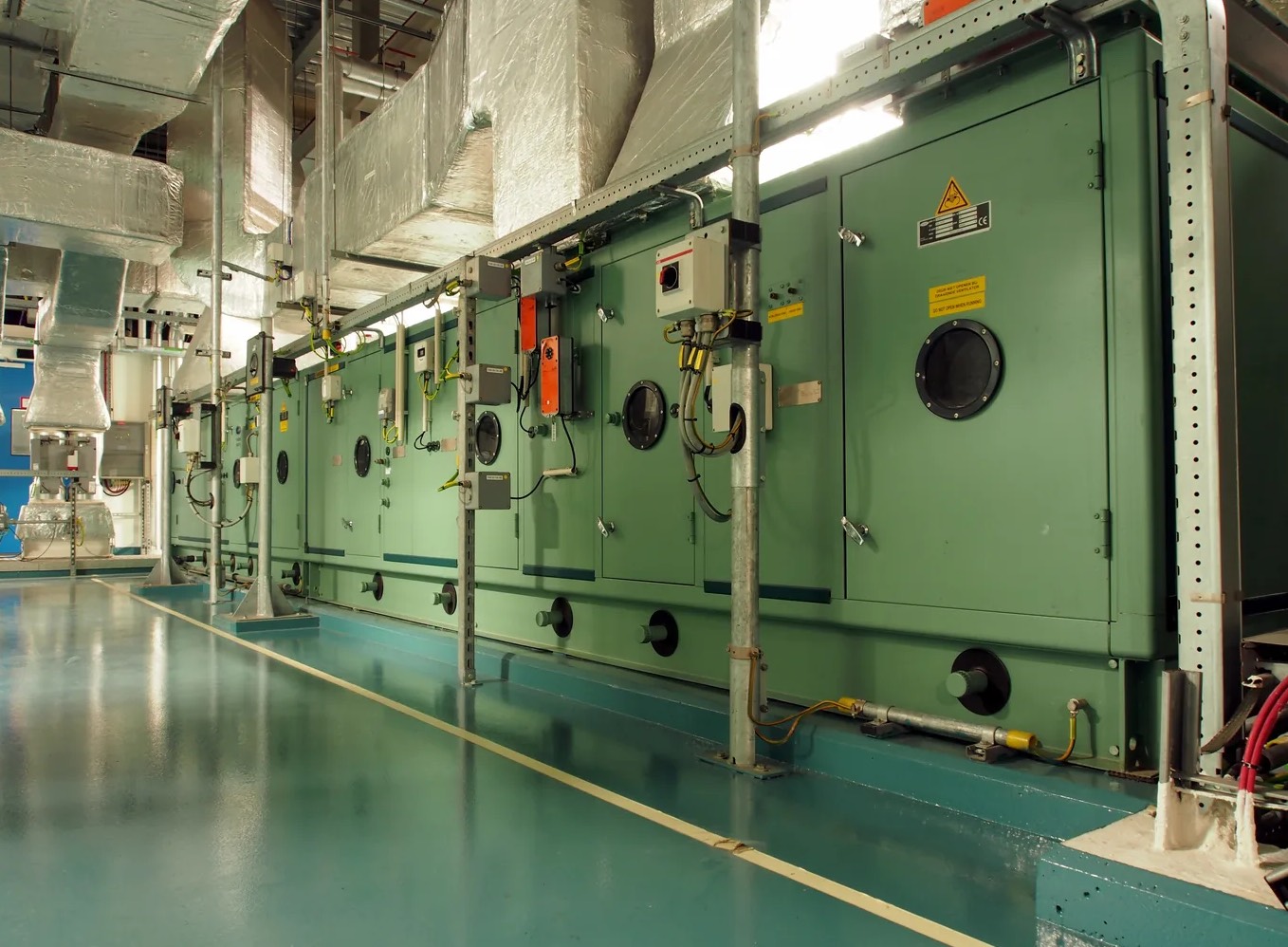
HVAC Leak Water Removal Services for Duluth Residents
An HVAC leak that is still running in Duluth has to be stopped first. A coil or drain line can put out gallons of water, and it lands on ceilings, floors and belongings.
When an HVAC leak occurs in Duluth, water needs to come out quickly to protect interior finishes and electrical systems. Local water removal pros serve this community and nearby areas like Berkeley Lake, Johns Creek and Peachtree Corners, extracting water around the unit and drying wet ductwork before damage spreads.
HVAC Leak Water Removal Service Details in Duluth
Moisture Remediation for HVAC Systems
After the water is out, the air in the room is still damp. Dehumidifiers run until humidity is back to normal, which lowers the risk of mold.
Wet Insulation Removal Near HVAC
Saturated insulation near the HVAC unit loses R-value and can foster mold. Removal is often necessary for a proper dry-out.
AC Condensate Leak Water Removal
A clogged AC condensate line leaks water around the indoor unit. Local water removal pros extract the pool to protect flooring and the system.
Coil Leak Water Damage Repair
A coil that has leaked for weeks often leaves wet framing and flooring around the unit. The pros remove the water and dry those materials, while an HVAC contractor fixes the coil.
Ductwork Condensation Water Removal
Wet, sagging insulation around ducts signals a condensation problem. Cleanup involves water extraction and drying of duct surfaces and insulation.
Red Flags for HVAC Leak Water Removal in Duluth
AC Drain Line Overflowing
Water spilling from the condensate drain line or its overflow port means the drain is blocked and needs attention now.
Condensation Dripping From Ducts
Water droplets or streaks on metal ductwork mean the ducts are sweating, and the water is landing somewhere below.
Wet or Sagging Insulation Nearby
Damp insulation around an attic unit or in nearby walls holds water against the drywall and framing.
Unusual Sounds From the AC Unit
Gurgling, dripping, or hissing noises from the indoor unit frequently accompany a condensate drainage failure.
How HVAC Leak Water Removal Works in Duluth
Step 1: Water Containment
The leak is contained first, then extractors pull water out of the HVAC cabinet and off the floor around it.
Step 2: HVAC Component Damage Evaluation
Wet parts like the drain pan, coil area and controls are noted so an HVAC contractor knows what to check or replace.
Step 3: Structural Drying Protocol
Drying equipment targets wet walls, subfloor and insulation near the unit so damage does not spread.
Step 4: Air Quality Sanitization
Once everything is dry, the cabinet area and nearby surfaces are cleaned to remove odor and residue.
Common Causes of HVAC Water Damage in Duluth
Excessive Ductwork Condensation
Poorly insulated ducts in humid spaces sweat and drip water into walls, ceilings and insulation.
Worn Gaskets or Seal Failures
Worn seals around access panels or coil sections let water escape the cabinet instead of reaching the pan.
Frozen Evaporator Coil Thawing
A coil freezing due to low refrigerant or airflow can release large volumes of water upon thawing.
Obstructed Air Filter or Ducts
Badly restricted airflow lets frost build on the cold coil, and the water floods the pan when it melts.
Commercial and Residential HVAC Leak Water Removal in Duluth
Residential HVAC Leak Water Removal
In homes, an HVAC leak usually wets the ceiling under an attic unit or the walls and floor around the air handler closet. Wet insulation near the unit is removed so it does not hold water.
Commercial HVAC Leak Water Removal
In stores, offices and warehouses, leaks come from large air handlers, VAV boxes and ducts above the ceiling. The water is removed fast so the space can reopen.
When DIY Fails for HVAC Leak Water Removal in Duluth
After ensuring power is off, you can use a wet-dry vacuum on visible standing water near a leaking AC unit. Be cautious of electrical hazards. You can also set up fans to aid surface drying. Do not remove wet insulation or open sealed ductwork.
Understanding HVAC Leak Water Removal Costs in Duluth
For AC water damage, the number of drying days and the number of air movers and dehumidifiers drive most of the cost. HVAC repairs are billed separately.
Water Contamination Category
Clean condensate is simpler to handle than dirty overflow from a drain line, which needs extra cleaning.
Drying Time and Equipment
The number of days ducts and materials take to dry decides how long the dehumidifiers run.
Extent of Water Spread
Water from a leaking AC can travel along ducts and inside walls, which makes the drying area larger.
Does Insurance Cover HVAC Leak Water Removal?
AC unit water damage coverage hinges on the leak source. Sudden failures like a burst drain line may be covered, while gradual neglect often is not. Homeowners should confirm specifics with their insurer.
Reasons to Hire Local Pros for HVAC Leak Water Removal in Duluth
IICRC-Standard Drying Methods
Drying follows industry standards so the unit area, ducts and walls are dry before the system runs again.
Detailed Damage Documentation
Photos and meter readings of the water damage give your adjuster clear records for the claim.
Component-Safe Water Removal
Work around the unit is done carefully so coils, wiring and control boards are not damaged further.
Emergency HVAC Leak Water Removal for Duluth Properties
Water flowing from your HVAC system requires fast action to prevent costly secondary damage. For emergency HVAC water extraction in Duluth, call (770) 800-8286 anytime.
Call Now (770) 800-8286HVAC Leak Water Removal Near Duluth: Areas Served
In Duluth and nearby Berkeley Lake, Johns Creek and Peachtree Corners, the pros handle water from HVAC cabinets, drain lines and wet insulation around the unit.
- HVAC Leak Water Removal in Berkeley Lake
- HVAC Leak Water Removal in Johns Creek
- HVAC Leak Water Removal in Peachtree Corners
- HVAC Leak Water Removal in Suwanee
- HVAC Leak Water Removal in Norcross
- HVAC Leak Water Removal in Lawrenceville
- HVAC Leak Water Removal in Lilburn
- HVAC Leak Water Removal in Buford
- Emergency Damage Restoration in 30026
- Storm Damage Restoration in 30026
- Water Damage Restoration in 30026
- Water Extraction Service in 30026
- Water Leak Detection in 30026
- Water Removal Service in 30026
- Emergency Damage Restoration in 30029
- Storm Damage Restoration in 30029
HVAC Leak Water Removal Common Questions
What documentation do pros provide for insurance?
The pros take photos and moisture readings and keep a drying log of the cleanup that you can send to your insurer.
What is involved in HVAC leak water removal?
Stopping the leak, extracting standing water, drying the ducts, cabinet area, walls and floor, and checking for hidden moisture with meters.
What's the difference between water extraction and drying?
Extraction removes the liquid water. Drying uses dehumidifiers and air movers to pull out the moisture left in insulation, drywall and wood.
What are signs of a leaking AC unit indoors?
Water around the indoor unit, stains on nearby walls or ceilings, a musty smell, or the system shutting off because its float switch tripped.
How long does wet ductwork drying typically take?
It depends on how much water there is and how easy it is to reach. Most jobs take two to four days of drying with commercial equipment.