Milton, GA · Fulton County
Basement Water Damage Restoration in Milton, GABasement Wall Drying & Emergency Basement Flood Cleanup
Basement Water Damage Restoration in Milton runs from basement water extraction and basement floor water removal to basement dehumidification.
Answered 24/7
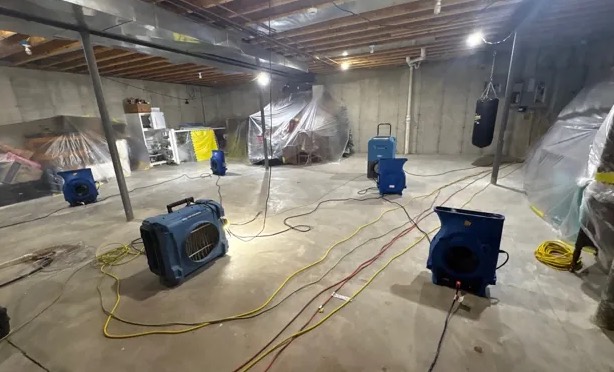
Professional Basement Water Damage Restoration in Milton, GA
Basements collect water from every direction: rain seeping through walls, groundwater pushing up through the slab, sewage backing up through floor drains and pipes bursting overhead. In a Milton home with a basement or below-grade room, any of these can leave inches of water on the floor.
In Milton, a home with a basement or below-grade room can flood after heavy rain or a blocked sewer line. Local restoration pros serve Milton, Johns Creek, Roswell and Cumming, pumping out water and drying finished and unfinished spaces.
Complete Basement Water Damage Restoration for Milton
Basement Wall Drying
Concrete and block walls are dried with directed airflow and dehumidifiers, and checked with meters until readings drop.
Emergency Basement Flood Cleanup
A flooded basement can damage furnaces, water heaters and stored items quickly. Fast pumping limits how much is lost.
Basement Mold Prevention
Fast extraction and drying are the main ways to limit microbial growth in a basement. Surfaces that stayed wet can be treated once dry.
Basement Water Extraction
Submersible pumps remove deep standing water, then portable extractors pull water from carpet, pad and the concrete floor.
Basement Drying Services
Drying a basement takes longer than drying an upper floor because the air is cool and the concrete holds moisture.
How to Know You Need Basement Water Damage Restoration in Milton
High Humidity Levels Below-Grade
A basement that stays damp and clammy even on dry days has a moisture source that needs attention.
Warped or Buckling Basement Floors
Laminate, wood or vinyl flooring that buckles or lifts in the basement has water underneath.
Efflorescence on Concrete Walls
White, chalky deposits on concrete walls mean water is moving through the concrete and leaving minerals behind.
Rusted Appliances or Pipes
Rust on the water heater, furnace base or pipes points to repeated moisture or past flooding.
How Basement Water Damage Restoration Works in Milton
Step 1: Source Control and Extraction
The pipe is shut off, the sump restarted or the backup stopped, then the water is pumped out.
Step 2: Structural Drying Setup
Lower drywall is removed where soaked, and equipment is placed to dry wall cavities and the slab.
Step 3: Contaminant Removal
Materials touched by sewage or dirty water are removed and hard surfaces are cleaned and disinfected.
Step 4: Monitoring and Completion
Daily readings track drying until every material is normal, then equipment is removed.
Why Basement Water Damage Occurs in Milton
Failed or Clogged Drain Tile
Clogged or collapsed drain tile around the foundation lets water build up against the walls.
Faulty Basement Waterproofing
Old or failed waterproofing on foundation walls lets water through during wet weather.
Sewer Line Backups
A blocked or overloaded sewer line pushes wastewater up through basement drains and toilets.
HVAC Condensate Line Overflow
A clogged furnace or air conditioner condensate line can overflow onto the floor of a basement or lower-level utility room.
Basement Water Damage Restoration for All Properties in Milton
Residential Basement Water Damage Restoration
A sewer backup in a home basement needs contaminated carpet, pad and drywall removed and every hard surface disinfected before drying.
Commercial Basement Water Damage Restoration
In restaurants and stores with basements, sewage backups need fast containment so contamination does not reach food or customer areas.
When to DIY and When to Call the Pros for Basement Water Damage Restoration
Fans alone can push damp air into the rest of the house. Basement drying needs dehumidifiers to pull the moisture out of the air and the concrete.
Factors Affecting Basement Water Damage Restoration Cost in Milton
Sewage cleanup, finished walls, storm-night calls and damaged appliances all add to the total for basement water damage restoration in Milton.
Dehumidification Needs
Large dehumidifiers may need to run longer in below-grade spaces than in upper floors.
Drying Time Required
Basements dry slowly, and longer drying means more equipment days and monitoring visits.
Affected Square Footage
Larger basements need more extraction, more drying equipment and more days of drying time.
Does Insurance Cover Basement Water Damage Restoration?
Many homeowner policies cover sudden basement water from a burst pipe, but not seepage or groundwater. Sewer backup coverage is often a separate add-on, so check your policy.
Reasons to Hire Local Pros for Basement Water Damage Restoration in Milton
Water Type Handling
Clean water, gray water and sewage are each handled with the right protection and removal steps.
Structural Integrity Assessment
Walls, stairs and framing are checked for damage before work begins in the basement.
Industry Drying Standards
Drying follows industry water damage standards, with readings taken at every visit.
24/7 Emergency Basement Water Damage Restoration in Milton
A flooded basement damages walls, furnaces, water heaters and belongings quickly. Call (770) 800-8286 for basement water damage restoration in Milton at any hour.
Call Now (770) 800-8286Local Basement Water Damage Restoration Coverage: Milton and Beyond
Help with basement water damage restoration is also available in communities near Milton, including Johns Creek, Roswell and Cumming, for flooded basements and sewer backups.
- Basement Water Damage Restoration in Johns Creek
- Basement Water Damage Restoration in Roswell
- Basement Water Damage Restoration in Cumming
- Basement Water Damage Restoration in Berkeley Lake
- Basement Water Damage Restoration in Peachtree Corners
- Basement Water Damage Restoration in Dunwoody
- Basement Water Damage Restoration in Holly Springs
- Basement Water Damage Restoration in Canton
- Emergency Damage Restoration in 30004
- Storm Damage Restoration in 30004
- Water Damage Restoration in 30004
- Water Extraction Service in 30004
- Water Leak Detection in 30004
- Water Removal Service in 30004
- Emergency Damage Restoration in 30005
- Storm Damage Restoration in 30005
Your Basement Water Damage Restoration Questions Addressed
Why is dehumidification so important after basement water removal?
Basements hold moisture in the air and concrete. Without dehumidifiers, walls and framing stay damp long after the water is gone.
How is basement restoration documented for insurance?
With photos of the water level and damage, moisture readings, a list of removed materials and daily drying logs.
What does below-grade moisture removal include beyond pumping?
Extracting carpet and pad, opening wet walls, running air movers and dehumidifiers, and checking readings until dry.
What are signs of hidden moisture after below-grade water extraction?
Musty smells, tide lines on walls, damp carpet edges and moisture readings that stay high in walls or the slab.
Does basement mold prevention need special steps after flooding?
Fast drying is the main step. Wood and concrete that stayed wet can be treated with an antimicrobial once dry.