Johns Creek, GA · Fulton County
Basement Water Damage Restoration in Johns Creek, GABasement Dehumidification & Basement Floor Water Removal
Basement Water Damage Restoration in Johns Creek includes emergency basement flood cleanup, basement sewer backup cleanup and basement wall drying.
Answered 24/7
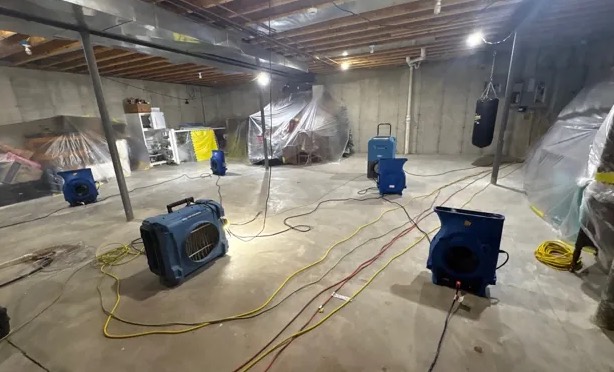
Expert Basement Water Damage Restoration Serving Johns Creek
Basement Water Damage Restoration in Johns Creek usually involves two parts: the emergency work of removing water and the slower work of drying a below-grade space. Both matter for keeping repairs small.
Homes in Johns Creek and nearby Berkeley Lake, Duluth and Peachtree Corners with basements deal with seepage, plumbing leaks and sewer backups. Help with basement water damage restoration covers pumping, removal of wet materials and drying of walls and concrete.
The Basement Water Damage Restoration Process in Johns Creek
Basement Dehumidification
A basement with no moisture problem before the flood may still need a dehumidifier afterward while the concrete dries.
Basement Floor Water Removal
Wet carpet pad is removed from basement floors, since it holds water against the concrete and dries poorly.
Basement Sewer Backup Cleanup
Porous materials touched by sewage, such as carpet, pad and lower drywall, are removed. Concrete and framing are cleaned and disinfected.
Basement Drying Services
Air movers and dehumidifiers are placed to dry walls, framing and the slab. Below-grade rooms dry slowly, so readings are taken daily.
Basement Mold Prevention
After drying, an antimicrobial can be applied to framing and concrete that were wet, to slow mold on surfaces that stay in place.
Warning Signs You Need Basement Water Damage Restoration
Standing Water in the Basement
Any standing water on the basement floor needs pumping right away, before it soaks walls and framing.
Damp or Musty Odors
A damp, earthy or musty smell in the basement often means hidden moisture in walls, carpet or the slab.
Peeling Paint or Wallpaper
Paint that peels or blisters on basement walls often has moisture behind it.
Rusted Appliances or Pipes
Rust on the water heater, furnace base or pipes points to repeated moisture or past flooding.
How Basement Water Damage Restoration Works in Johns Creek
Step 1: Water Removal
Pumps and extractors remove standing water from the basement floor, starting at the lowest point.
Step 2: Targeted Moisture Evaporation
Air movers are aimed at wet walls, framing and the slab to speed evaporation.
Step 3: Humidity Control
Large dehumidifiers pull moisture from the basement air, with readings checked every day.
Step 4: Final Verification and Restoration
Final readings confirm the basement is dry, and the space is ready for drywall and flooring repairs.
Why Basement Water Damage Occurs in Johns Creek
Clogged Floor Drains
A floor drain blocked by debris cannot carry off water from a leak or overflow, so it spreads across the basement floor.
HVAC Condensate Line Overflow
A clogged furnace or air conditioner condensate line can overflow onto the floor of a basement or lower-level utility room.
Window Well Flooding
Window wells without drains or covers fill with rain and leak through basement windows.
Sump Pump Mechanical Failure
A sump pump that fails, loses power or is too small lets groundwater rise into the basement.
Both Residential & Commercial Basement Water Damage Restoration in Johns Creek
Residential Basement Water Damage Restoration
A sewer backup in a home basement needs contaminated carpet, pad and drywall removed and every hard surface disinfected before drying.
Commercial Basement Water Damage Restoration
In restaurants and stores with basements, sewage backups need fast containment so contamination does not reach food or customer areas.
Basement Water Damage Restoration vs. DIY: When to Call the Pros
Fans alone can push damp air into the rest of the house. Basement drying needs dehumidifiers to pull the moisture out of the air and the concrete.
Cost Considerations for Basement Water Damage Restoration in Johns Creek
Before pricing basement water damage restoration in Johns Creek, the pros check the water depth, the type of water and what the basement is finished with.
Water Category
Clean water costs less to handle than sewage, which needs protective gear, removal and disinfection.
Emergency Service
Night, weekend and storm calls can cost more than a scheduled visit.
Dehumidification Needs
Large dehumidifiers may need to run longer in below-grade spaces than in upper floors.
Does Insurance Cover Basement Water Damage Restoration?
Photograph the water level, damaged belongings and appliances before cleanup starts, and keep receipts for emergency pumping and drying to send to your insurer.
Reasons to Hire Local Pros for Basement Water Damage Restoration in Johns Creek
Containment Strategies
Plastic sheeting keeps contaminated areas separate from clean parts of the house.
Industry Drying Standards
Drying follows industry water damage standards, with readings taken at every visit.
Mold Prevention Focus
Fast drying is the main way to limit microbial growth in a below-grade space.
Round-the-Clock Emergency Basement Water Damage Restoration in Johns Creek
Every hour of standing water in a basement means more drywall and flooring to replace. Call (770) 800-8286 for basement water damage restoration in Johns Creek.
Call Now (770) 800-8286Basement Water Damage Restoration Serving Johns Creek, Berkeley Lake, Duluth and Peachtree Corners
Help with basement water damage restoration is also available in communities near Johns Creek, including Berkeley Lake, Duluth and Peachtree Corners, for flooded basements and sewer backups.
- Basement Water Damage Restoration in Berkeley Lake
- Basement Water Damage Restoration in Duluth
- Basement Water Damage Restoration in Peachtree Corners
- Basement Water Damage Restoration in Norcross
- Basement Water Damage Restoration in Suwanee
- Basement Water Damage Restoration in Milton
- Basement Water Damage Restoration in Roswell
- Basement Water Damage Restoration in Dunwoody
- Emergency Damage Restoration in 30022
- Storm Damage Restoration in 30022
- Water Damage Restoration in 30022
- Water Extraction Service in 30022
- Water Leak Detection in 30022
- Water Removal Service in 30022
FAQ for Basement Water Damage Restoration in Johns Creek
How soon should I call for basement water extraction after a leak?
Right away. Water wicks up drywall and soaks framing within hours, and below-grade spaces are slow to dry.
What health risks come with delayed basement flood cleanup?
Standing water and wet materials can support bacteria and microbial growth, and sewage carries contaminants that need disinfection.
What are signs of hidden moisture after below-grade water extraction?
Musty smells, tide lines on walls, damp carpet edges and moisture readings that stay high in walls or the slab.
What causes the most common below-grade leaks in homes?
Sump pump failures, foundation cracks, clogged drain tile, sewer backups and burst pipes in the basement ceiling.
What is the priority during emergency basement flood cleanup?
Safety first, especially electrical hazards, then stopping the source and pumping out the water as quickly as possible.