Lawrenceville, GA · Gwinnett County
AC Unit Water Removal in Lawrenceville, GAAC Leak Mold Prevention & Wet AC Unit Component Drying
AC Unit Water Removal in Lawrenceville covers AC leak water cleanup, AC condensate drain clearing and wet AC unit component drying.
Answered 24/7
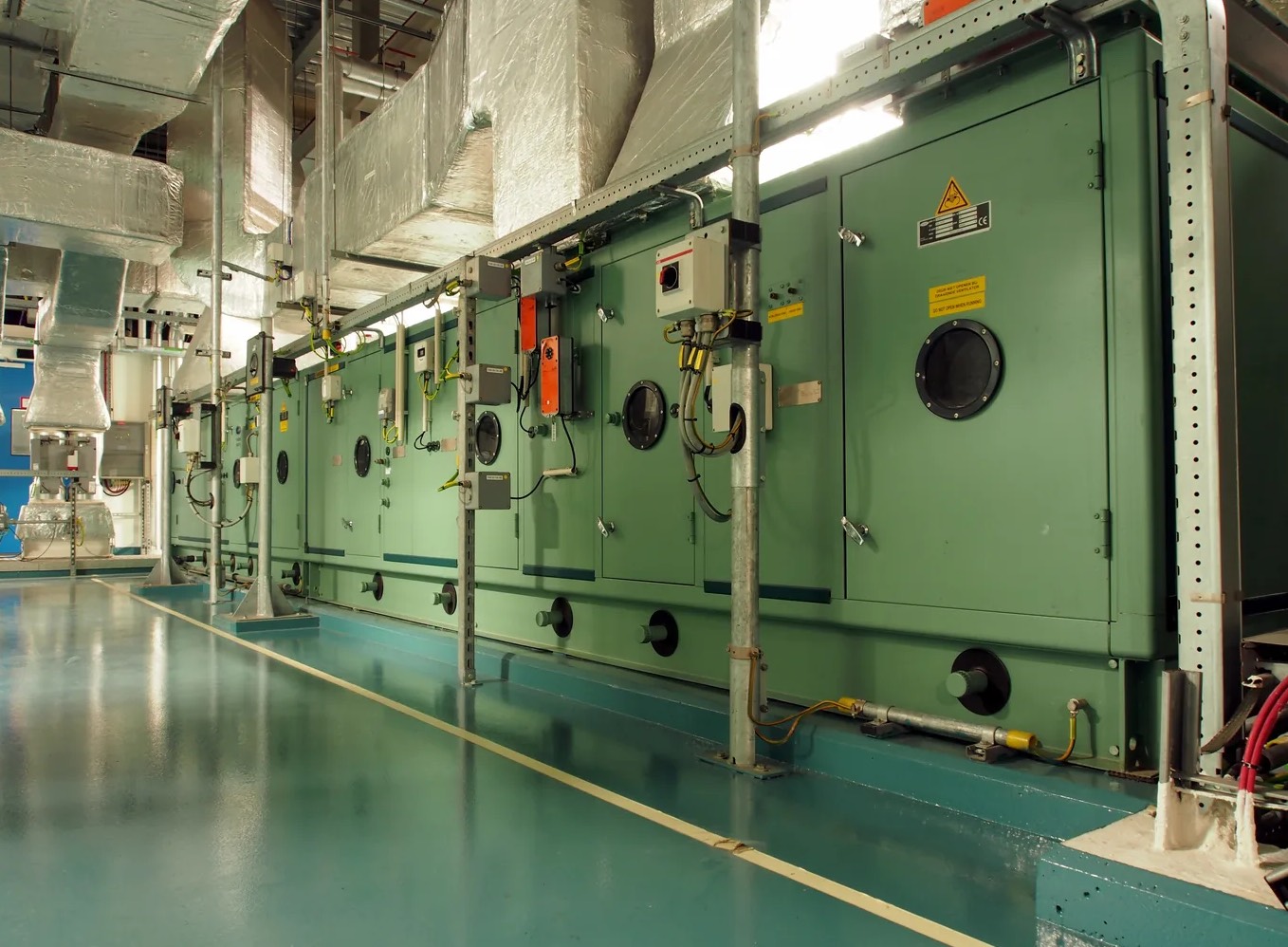
Expert AC Unit Water Removal for Lawrenceville Homes
Attic air handlers in Lawrenceville leak straight into the ceiling below. A sagging or stained ceiling under the unit means water is already in the drywall and possibly the insulation above it.
Property owners in Lawrenceville can call (770) 800-8286 day or night when an air handler starts leaking. Service also covers Grayson, Dacula and Snellville, with the same extraction, drain clearing and drying process for attic, closet and garage units in houses, condos and apartments.
Detailed AC Unit Water Removal Offerings for Lawrenceville
AC Leak Mold Prevention
Surfaces that stayed damp, such as framing under the air handler, are treated after drying so leftover spores have less to feed on.
Wet AC Unit Component Drying
Wet blower motors, panels and wiring are dried with gentle airflow and dehumidifiers rather than direct heat, which lowers the risk of corrosion and shorts.
AC Condensate Drain Clearing
Clearing the line stops the overflow at its source. Without it, the pan refills and the leak returns within days.
AC Leak Water Cleanup
Cleanup starts at the drain pan and works outward, removing pooled water and wet debris so drying can begin.
AC Drain Pan Water Extraction
Water sitting in a full or cracked drain pan is removed before it spills over into the ceiling or walls below.
Signs of AC Water Damage Requiring Removal
Visible Mold Near AC
Dark spots on drywall or framing near the unit mean the area has stayed wet for days.
Water on the Floor
A puddle around the air handler or furnace closet is the most direct sign of a leak.
Condensation Line Dripping
A condensate line that drips inside instead of outside has a crack, loose fitting or clog.
AC Unit Circuit Breaker Trips
Water reaching electrical parts can trip the breaker. Shut the unit off and call before resetting it again.
How AC Unit Water Removal Works in Lawrenceville
Step 1: Leak Assessment
The pros find the source of the leak, check how far the water spread and take moisture readings.
Step 2: Source Stop and Water Removal
The drain is cleared or the leaking part isolated, then standing water is extracted from every wet area.
Step 3: System Drying and Dehumidification
Drying equipment runs until walls, floors and insulation test dry, with readings taken at each visit.
Step 4: Verification and Restoration
Final readings confirm the materials are dry, then damaged drywall, trim or ceiling panels can be replaced.
Common Causes of AC Unit Water Damage in Lawrenceville
Excess Outdoor Humidity
Very humid air makes the coil produce more water than a partly clogged drain can carry.
High Static Pressure in Ducts
Restricted ducts can pull water off the coil and blow it into the cabinet or ductwork.
Frozen Evaporator Coils Thawing
A coil that freezes from low airflow sheds a large amount of water at once when it thaws.
Disconnected Drain Line
A drain line knocked loose in the attic or closet empties condensate onto the ceiling or floor.
AC Unit Water Removal for Homes and Businesses in Lawrenceville
Residential AC Unit Water Removal
In apartments and condos, an AC leak can spread through the floor or ceiling to the unit below. Fast extraction limits the spread and the number of neighbors affected.
Commercial AC Unit Water Removal
In restaurants and retail spaces, water near equipment, wiring and walkways is removed first. That reduces slip and electrical hazards while the rest of the area dries.
Why DIY AC Water Removal Often Fails in Lawrenceville
Box fans move air across a wet surface, but they often leave water trapped in wall cavities and under flooring. Professional drying uses moisture readings to confirm the hidden areas behind walls and under floors are dry too.
What Affects AC Unit Water Removal Expense in Lawrenceville
Drying equipment is usually billed by the day, so how long materials stay wet matters. Starting quickly in Lawrenceville shortens drying time and lowers the total.
Secondary Damage Presence
Wet ceilings, swollen baseboards or damp framing add removal and repair work to the job.
Preventative Treatment Scope
Antimicrobial treatment is an optional step, priced by the size of the area treated.
Affected Component Count
The more of the system that got wet, such as the blower, panels and insulation, the more drying time is needed.
Does Insurance Cover AC Unit Water Removal?
Insurers often ask whether the leak was sudden or ongoing. A record of when the water was found, what it reached and how it was dried helps answer that question.
The Value of Local Pros for AC Unit Water Removal in Lawrenceville
24/7 Emergency Response
Help is available any hour, which matters when an attic unit starts leaking into a ceiling at night.
Drain Pan Extraction
Both the main pan and the safety pan are emptied and checked for damage.
Preventative Microbial Treatment
Optional antimicrobial treatment can be applied to wood and drywall that stayed wet for days.
Round-the-Clock Emergency AC Unit Water Removal in Lawrenceville
If water is near wiring or the breaker keeps tripping, turn off power to the unit and stay clear of the wet area. Then call (770) 800-8286 for help in Lawrenceville.
Call Now (770) 800-8286Local AC Unit Water Removal Coverage for Lawrenceville, Grayson, Dacula and Snellville
Help with AC unit water removal reaches Grayson, Dacula and Snellville, plus other communities around Lawrenceville, for houses, apartments and commercial buildings with leaking AC units.
- AC Unit Water Removal in Grayson
- AC Unit Water Removal in Dacula
- AC Unit Water Removal in Snellville
- AC Unit Water Removal in Suwanee
- AC Unit Water Removal in Duluth
- AC Unit Water Removal in Lilburn
- AC Unit Water Removal in Norcross
- AC Unit Water Removal in Buford
- Emergency Damage Restoration in 30042
- Storm Damage Restoration in 30042
- Water Damage Restoration in 30042
- Water Extraction Service in 30042
- Water Leak Detection in 30042
- Water Removal Service in 30042
- Emergency Damage Restoration in 30043
- Storm Damage Restoration in 30043
Common AC Unit Water Removal Questions Answered
Why document AC water damage?
Photos and moisture readings show what got wet and how it was dried, which helps your insurance claim.
Can an AC condensation leak damage the ceiling?
Yes. Attic units leak straight into the drywall below, causing stains, sagging and eventually collapse if left alone.
What are signs I need water removed from around my air conditioner?
Puddles near the unit, ceiling stains, a musty smell, a full drain pan or an AC that shuts off on its own.
Why does the drain pan need to be emptied?
A full pan overflows into ceilings and floors. Emptying and inspecting it stops the spill and shows whether the pan is cracked.
What equipment is used to dry AC leak damage?
Extractors, air movers, dehumidifiers and moisture meters, plus wet vacs or pumps for the drain line.