Buford, GA · Gwinnett County
AC Unit Water Removal in Buford, GAAC Leak Water Cleanup & AC Drain Pan Water Extraction
AC Unit Water Removal in Buford covers AC leak water cleanup, AC condensate drain clearing and wet AC unit component drying.
Answered 24/7
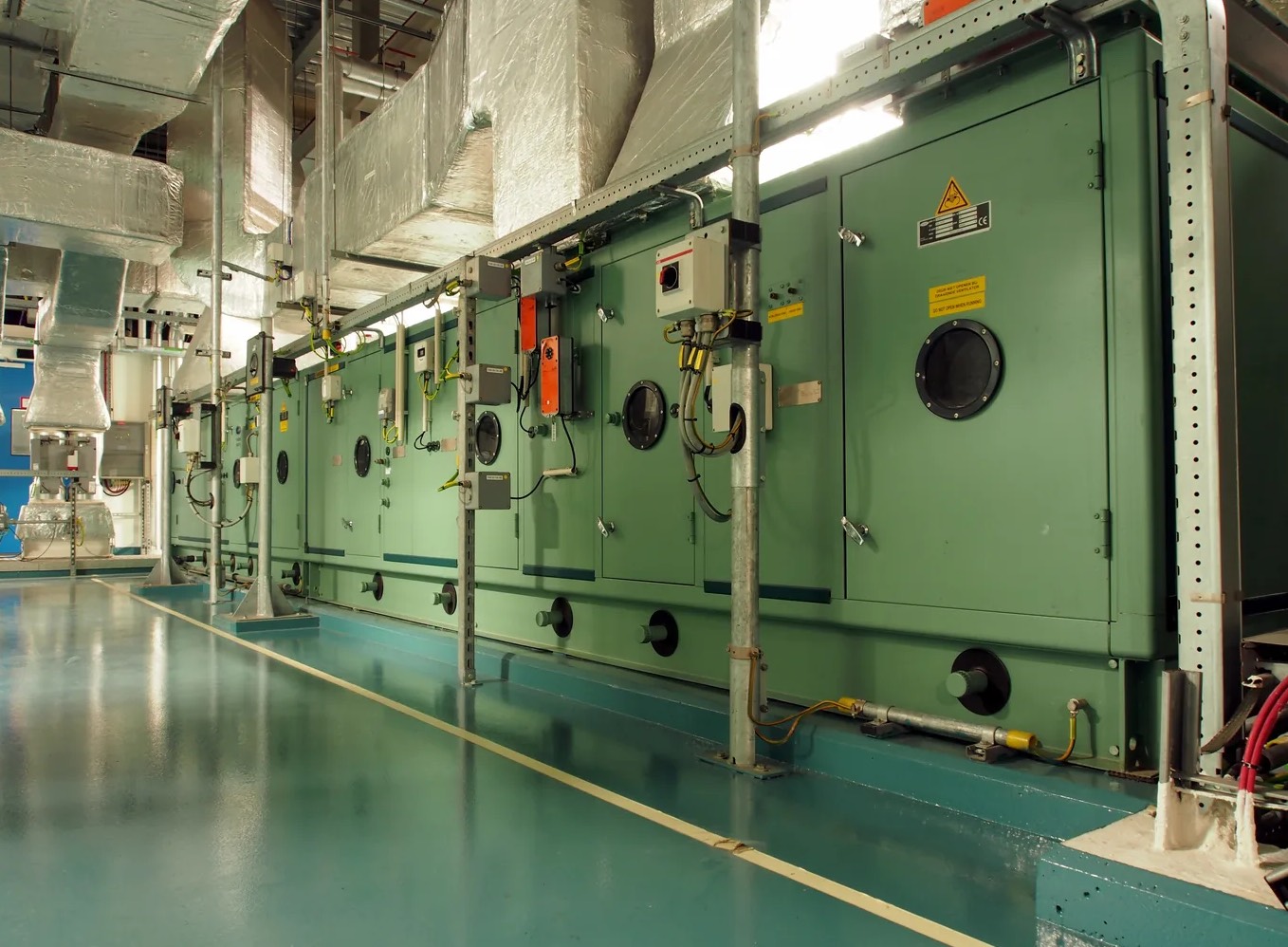
Local AC Unit Water Removal Services in Buford, Georgia
Most AC leaks start small: a drip in the furnace closet or a faint stain under an attic unit. In Buford, the drain pan can fill and overflow for days before anyone notices the damage.
Property owners in Buford can call (770) 800-8286 day or night when an air handler starts leaking. Service also covers Sugar Hill, Suwanee and Flowery Branch, with the same extraction, drain clearing and drying process for attic, closet and garage units in houses, condos and apartments.
Detailed AC Unit Water Removal Offerings for Buford
AC Leak Water Cleanup
Water from an overflowing air handler is extracted from the floor, closet or mechanical room, then nearby walls are checked with a moisture meter.
AC Drain Pan Water Extraction
Water sitting in a full or cracked drain pan is removed before it spills over into the ceiling or walls below.
AC Leak Mold Prevention
Surfaces that stayed damp, such as framing under the air handler, are treated after drying so leftover spores have less to feed on.
AC Condensate Drain Clearing
The PVC drain line is cleared with suction or a flush, and the trap is checked so water stops backing up into the pan.
Wet AC Unit Component Drying
Wet blower motors, panels and wiring are dried with gentle airflow and dehumidifiers rather than direct heat, which lowers the risk of corrosion and shorts.
Signs of AC Water Damage Requiring Removal
Water Stains on Walls
Brown rings or peeling paint on the ceiling under an attic unit, or on walls near the closet, point to a slow leak.
Wet AC Unit Components
Damp coils, a wet blower compartment or moisture around wiring inside the cabinet mean water is collecting where it should not.
AC Drain Pan Overflow
Water at the rim of the drain pan, or in the secondary pan, means the condensate line is blocked.
Reduced Cooling Efficiency
A clogged drain can trip a float switch or starve the coil of airflow, so the system runs longer and cools less.
How AC Unit Water Removal Works in Buford
Step 1: AC Leak Water Cleanup
Pooled water is removed from around the air handler and from any rooms or ceilings the leak reached.
Step 2: AC Drain Pan Water Extraction
The primary and secondary pans are emptied and checked for cracks, rust holes or a stuck float switch.
Step 3: Component and Structure Drying
Wet panels, framing and subfloor are dried with targeted airflow and dehumidifiers until readings are normal.
Step 4: Documentation and Prevention
Photos and readings are recorded for insurance, and simple drain upkeep tips are shared to prevent a repeat.
Frequent Sources of AC Water Damage
High Static Pressure in Ducts
Restricted ducts can pull water off the coil and blow it into the cabinet or ductwork.
Failed Condensate Pump
Units that pump condensate uphill depend on a small pump. When it fails, the reservoir overflows.
Frozen Evaporator Coils Thawing
A coil that freezes from low airflow sheds a large amount of water at once when it thaws.
Excess Outdoor Humidity
Very humid air makes the coil produce more water than a partly clogged drain can carry.
Residential and Commercial AC Unit Water Removal in Buford
Residential AC Unit Water Removal
Attic air handlers in houses leak into bedroom and hallway ceilings. The pan is emptied, the ceiling checked with a meter and wet drywall dried or cut out before it sags.
Commercial AC Unit Water Removal
Commercial systems have larger pans and longer drain runs. Clearing the line and drying ceiling tiles and carpet keeps the space open and safe for staff and customers.
When to Hire Local Pros for AC Unit Water Removal in Buford
DIY works for a small puddle on tile that you catch right away and wipe dry. Wet carpet and pad, or drywall that feels soft, usually need professional extraction and drying equipment to dry fully.
Estimating Your AC Unit Water Removal Cost in Buford
Pricing for AC unit water removal in Buford is set after an inspection. The pros measure the wet area, check for hidden moisture and explain each item before starting.
Leak Source and Severity
A slow drip near the closet costs less to fix than an attic overflow that soaked a ceiling and the room below.
System Restoration Complexity
Replacing drywall, insulation or trim after drying adds material and labor to the total.
Affected Component Count
The more of the system that got wet, such as the blower, panels and insulation, the more drying time is needed.
Does Insurance Cover AC Unit Water Removal?
Insurers often ask whether the leak was sudden or ongoing. A record of when the water was found, what it reached and how it was dried helps answer that question.
Reasons to Select Local Pros in Buford for AC Unit Water Removal
Systematic Drain Line Clearing
The condensate line is cleared, not just the water mopped up, so the leak does not come right back.
Focus on Component Preservation
Wet blower motors and wiring are dried gently to lower the risk of corrosion and electrical faults.
Preventative Microbial Treatment
Optional antimicrobial treatment can be applied to wood and drywall that stayed wet for days.
24/7 Emergency AC Unit Water Removal in Buford
AC leaking into a ceiling or floor in Buford? Shut the unit off at the thermostat, move belongings out of the way and call (770) 800-8286. Help is available 24/7.
Call Now (770) 800-8286Local AC Unit Water Removal Coverage for Buford, Sugar Hill, Suwanee and Flowery Branch
AC leak cleanup, drain clearing and drying also cover homes and businesses in Sugar Hill, Suwanee and Flowery Branch, close to Buford.
- AC Unit Water Removal in Sugar Hill
- AC Unit Water Removal in Suwanee
- AC Unit Water Removal in Flowery Branch
- AC Unit Water Removal in Cumming
- AC Unit Water Removal in Oakwood
- AC Unit Water Removal in Lawrenceville
- AC Unit Water Removal in Dacula
- AC Unit Water Removal in Duluth
- Emergency Damage Restoration in 30515
- Storm Damage Restoration in 30515
- Water Damage Restoration in 30515
- Water Extraction Service in 30515
- Water Leak Detection in 30515
- Water Removal Service in 30515
- Emergency Damage Restoration in 30518
- Storm Damage Restoration in 30518
AC Unit Water Removal FAQ for Buford Homeowners
Is air conditioner restoration separate from water removal?
Yes. Water removal and drying come first. Restoration covers repairs afterward, such as replacing drywall or ceiling panels.
What should I do while waiting for help with an AC leak?
Turn off the AC, place towels or a bucket under the drip, move belongings out of the way and take photos.
What equipment is used to dry AC leak damage?
Extractors, air movers, dehumidifiers and moisture meters, plus wet vacs or pumps for the drain line.
Does homeowners insurance cover water damage from an HVAC unit?
Sudden leaks are often covered, but slow leaks and the unit itself usually are not. Check your policy.
What happens during AC water extraction?
Pumps and extractors remove water from the pan, floor and carpet, then moisture meters check walls and subfloor for hidden water.