Covington, GA · Newton County
AC Unit Water Removal in Covington, GAAC Leak Water Extraction & Emergency AC Water Removal
AC Unit Water Removal in Covington handles AC drain pan water extraction, AC leak water cleanup and AC leak mold prevention before the water spreads.
Answered 24/7
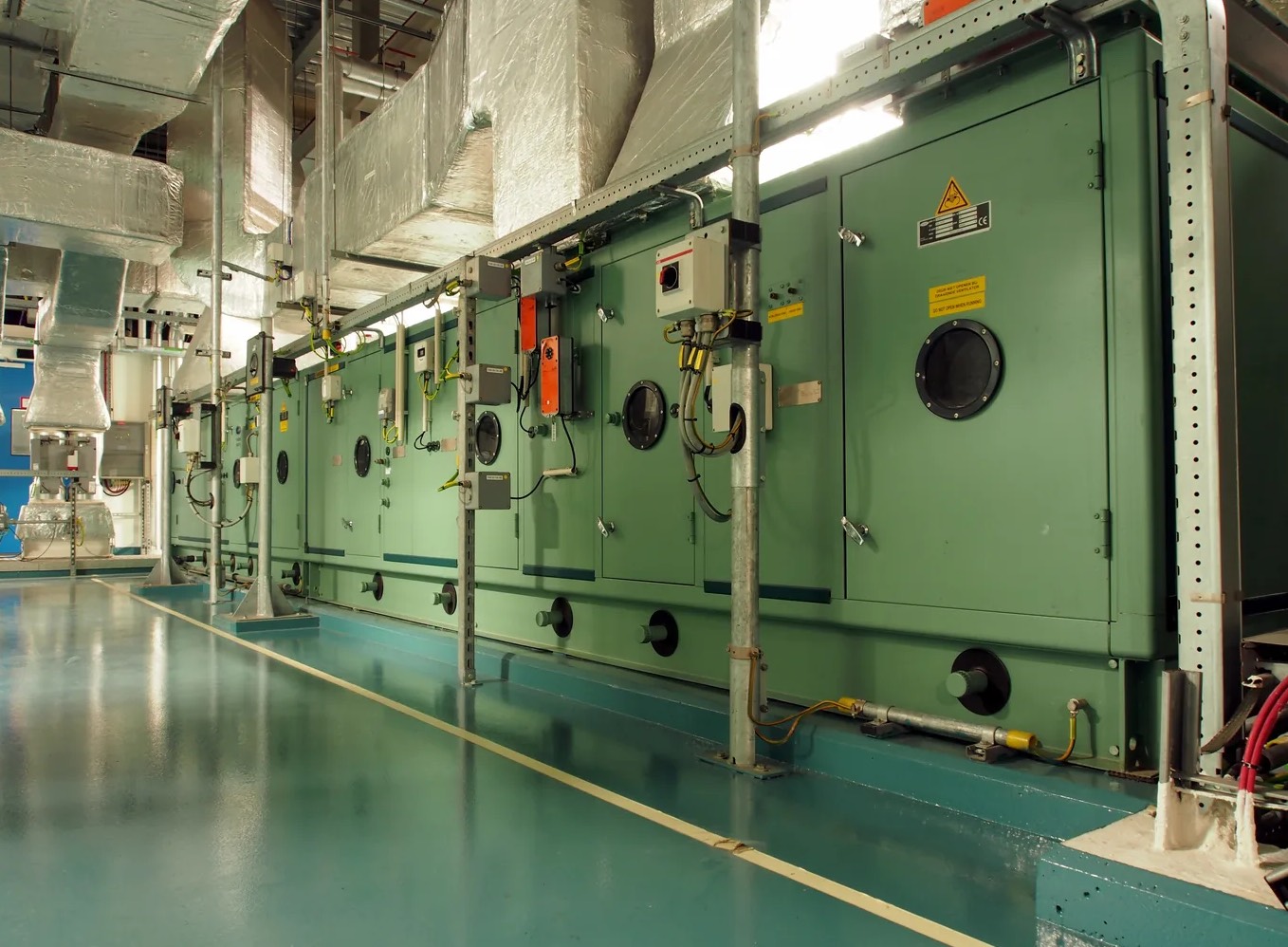
AC Unit Water Removal Near Covington: What to Expect
Attic air handlers in Covington leak straight into the ceiling below. A sagging or stained ceiling under the unit means water is already in the drywall and possibly the insulation above it.
In Covington, AC leaks usually show up as ceiling stains under attic units, wet carpet near the furnace closet or water dripping from a vent. Help with AC unit water removal is available across Covington and in Social Circle, Conyers and Monroe, day or night, with extraction, drain clearing and drying.
AC Unit Water Removal Services in Covington
AC Leak Water Extraction
Extractors and pumps pull water from carpet, pad and hard floors around the unit, then hidden moisture is mapped in the subfloor.
Emergency AC Water Removal
A sudden AC flood can soak a ceiling or floor in hours. Emergency removal gets the water out before it spreads into framing and insulation.
AC Drain Pan Water Extraction
A soaked pan in an attic unit is a ceiling leak waiting to happen. Extracting it quickly protects the drywall underneath.
Air Conditioner Restoration Services
Work finishes with cleanup and a check that the unit drains properly, so the leak does not return.
Wet AC Unit Component Drying
Wet blower motors, panels and wiring are dried with gentle airflow and dehumidifiers rather than direct heat, which lowers the risk of corrosion and shorts.
Signs of AC Water Damage Requiring Removal
Unusual AC System Noises
Gurgling or dripping sounds from the unit can mean water is backing up in the drain line.
AC Unit Circuit Breaker Trips
Water reaching electrical parts can trip the breaker. Shut the unit off and call before resetting it again.
Musty Odors From Vents
A musty smell when the AC starts often means standing water in the pan or wet insulation in the ducts.
Water on the Floor
A puddle around the air handler or furnace closet is the most direct sign of a leak.
How AC Unit Water Removal Works in Covington
Step 1: AC Leak Water Cleanup
Pooled water is removed from around the air handler and from any rooms or ceilings the leak reached.
Step 2: AC Drain Pan Water Extraction
The primary and secondary pans are emptied and checked for cracks, rust holes or a stuck float switch.
Step 3: Component and Structure Drying
Wet panels, framing and subfloor are dried with targeted airflow and dehumidifiers until readings are normal.
Step 4: Documentation and Prevention
Photos and readings are recorded for insurance, and simple drain upkeep tips are shared to prevent a repeat.
Why AC Units Leak and Need Water Removal
Age and Component Wear
Older units have worn fittings, brittle seals and corroded pans that start leaking together.
High Static Pressure in Ducts
Restricted ducts can pull water off the coil and blow it into the cabinet or ductwork.
Frozen Evaporator Coils Thawing
A coil that freezes from low airflow sheds a large amount of water at once when it thaws.
Excess Outdoor Humidity
Very humid air makes the coil produce more water than a partly clogged drain can carry.
Residential and Commercial AC Unit Water Removal in Covington
Residential AC Unit Water Removal
Attic air handlers in houses leak into bedroom and hallway ceilings. The pan is emptied, the ceiling checked with a meter and wet drywall dried or cut out before it sags.
Commercial AC Unit Water Removal
Commercial systems have larger pans and longer drain runs. Clearing the line and drying ceiling tiles and carpet keeps the space open and safe for staff and customers.
AC Unit Water Removal vs. DIY: When to Call the Pros
Mopping up a small drip and clearing the drain line with a wet vac is a reasonable DIY step. Call local water extraction experts if water reached the ceiling, walls or insulation, or if the leak keeps coming back after you clear the line.
Understanding AC Unit Water Removal Pricing in Covington
An attic unit that leaked all night costs more to fix than a closet leak caught the same day. In Covington, calling early is the simplest way to keep the bill down.
Preventative Treatment Scope
Antimicrobial treatment is an optional step, priced by the size of the area treated.
Secondary Damage Presence
Wet ceilings, swollen baseboards or damp framing add removal and repair work to the job.
Leak Source and Severity
A slow drip near the closet costs less to fix than an attic overflow that soaked a ceiling and the room below.
Does Insurance Cover AC Unit Water Removal?
Photos, moisture readings and a written scope from local water extraction experts help support an insurance claim for AC water damage in Covington. Keep copies of everything you send your adjuster, along with your own photos.
Benefits of Local Pros for AC Unit Water Removal in Covington
Focus on Component Preservation
Wet blower motors and wiring are dried gently to lower the risk of corrosion and electrical faults.
Industry Drying Standards
Drying follows industry water damage standards, with moisture readings at each visit.
Air Conditioner Restoration Focus
Drywall, trim and ceiling repairs can be handled after drying, so one job covers the whole leak.
24/7 Emergency AC Unit Water Removal Response in Covington
Do not wait for a stained ceiling to start sagging under the weight of the water. Call (770) 800-8286 now for AC unit water removal in Covington and get the drying started.
Call Now (770) 800-8286AC Unit Water Removal Near Covington: Areas Served
Help with AC unit water removal is also available in communities near Covington, including Social Circle, Conyers and Monroe, for leaking air handlers and overflowing drain pans.
- AC Unit Water Removal in Social Circle
- AC Unit Water Removal in Conyers
- AC Unit Water Removal in Monroe
- AC Unit Water Removal in Loganville
- AC Unit Water Removal in Snellville
- AC Unit Water Removal in Stockbridge
- AC Unit Water Removal in Madison
- AC Unit Water Removal in Grayson
- Emergency Damage Restoration in 30014
- Storm Damage Restoration in 30014
- Water Damage Restoration in 30014
- Water Extraction Service in 30014
- Water Leak Detection in 30014
- Water Removal Service in 30014
- Emergency Damage Restoration in 30015
- Storm Damage Restoration in 30015
AC Unit Water Removal FAQs
Can a wet AC unit be saved after a leak?
Often yes. Components are dried gently and checked, but an HVAC contractor should inspect electrical parts before the unit runs again.
What clogs an AC condensate line?
Algae, sludge, dust and debris build up inside the line, especially over long cooling seasons, until water backs up into the pan.
Does homeowners insurance cover water damage from an HVAC unit?
Sudden leaks are often covered, but slow leaks and the unit itself usually are not. Check your policy.
What happens during AC water extraction?
Pumps and extractors remove water from the pan, floor and carpet, then moisture meters check walls and subfloor for hidden water.
How quickly should I deal with an AC leak?
Right away. Water that sits for more than a day or two soaks into drywall and insulation and raises the risk of microbial growth.