Duluth, GA · Gwinnett County
Temperature-Controlled Drying in Duluth, GAHumidity Control For Restoration & Thermal Drying For Water Damage
In Duluth, Temperature-Controlled Drying from local drying equipment pros covers climate-controlled drying systems, moisture mapping, and drying equipment deployment to dry a structure effectively.
Answered 24/7
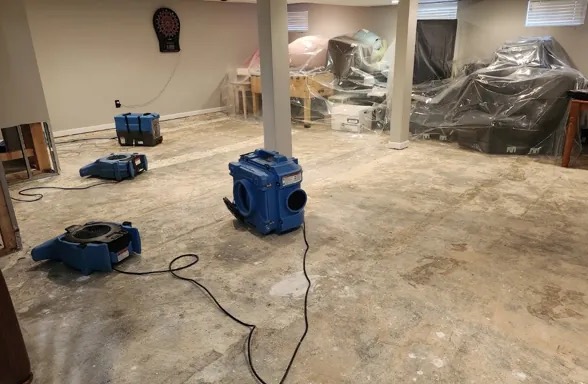
Professional Temperature-Controlled Drying in Duluth, GA
In Duluth, water trapped in subfloors, wall cavities or behind cabinets dries slowly because the air there does not move.
In Duluth and nearby Berkeley Lake, Johns Creek and Peachtree Corners, fast structural drying stops mold before it starts. Local pros map moisture, then use LGR dehumidifiers and planned air mover placement until readings are normal.
Comprehensive Temperature-Controlled Drying Solutions for Duluth
Humidity Control for Restoration
Dehumidifiers lower the dew point in the affected area, so materials give up their moisture more easily.
Thermal Drying for Water Damage
Controlled heat combats water damage in hard-to-dry areas like enclosed cavities. Expert calibration of drying equipment avoids harm to sensitive contents.
Water Damage Drying Logs
The pros create detailed, timestamped drying logs. These records track initial readings, daily progress, and final verification, providing proof that industry-standard drying was followed.
Air Mover Placement for Drying
The pros plan placement around furniture and walls, and may build air dams or blow air into cavities to cut drying time in Duluth homes.
Drying Equipment Deployment
Pros set up drying machines with safe power, condensate drainage and placement based on the moisture map.
Warning Signs Requiring Temperature-Controlled Drying in Duluth
Discoloration on Drywall or Ceilings
Yellow or brown water stains appear on surfaces that seem dry. These stains suggest moisture is still present inside the wall cavity.
Cold, Damp Feeling in a Room
A room feels noticeably colder and damper than the rest of the house. This sensation is often due to evaporative cooling from wet materials.
Equipment Running With No Result
Fans or dehumidifiers that run for days without drying the area mean the moisture is deeper than household equipment can reach.
Visible Mold Growth in Corners
Black, green or white specks in damp corners or on baseboards are usually mold, which means moisture has been there a while.
How Temperature-Controlled Drying Works in Duluth
Step 1: Site Evaluation and Equipment Planning
The pros evaluate the site to determine the type and quantity of drying tools needed.
Step 2: Drying Equipment Setup
Industrial air movers and dehumidifiers are set up in the affected zones right away.
Step 3: Controlled Humidity Management
Dehumidifiers pull moist air out of the room, which keeps the air dry enough for materials to keep drying.
Step 4: Progress Tracking With Drying Logs
Temperature, humidity and moisture readings are recorded each day in a drying log.
What Leads to Needing Temperature-Controlled Drying in Duluth
Poor Ventilation After a Flood
Closing up a wet room traps humid air, which slows drying and lets moisture soak further into materials.
Appliance Malfunction or Overflow
A failed washing machine hose, water heater or dishwasher can release many gallons onto the floor.
Storm-Driven Water Intrusion
Heavy rain overflows gutters or gets in around windows and soaks framing and insulation.
Inadequate Initial Water Extraction
Water left behind after a leak or flood moves into subfloors and walls, where it is harder to dry.
Temperature-Controlled Drying for Homes and Businesses in Duluth
Residential Temperature-Controlled Drying
Homeowners benefit from structural drying that prevents mold and preserves structural elements like wood framing and drywall. The experts set up targeted drying arrays to address specific home layouts and materials.
Commercial Temperature-Controlled Drying
For commercial properties, pros run industrial dehumidifiers and air movers to control humidity in large spaces and monitor moisture until the building is dry.
When to Hire Drying Equipment Pros for Temperature-Controlled Drying in Duluth
For a small, recent water spill, use towels to blot surface water and improve air circulation with fans. If water soaks into porous materials like drywall or carpet padding, contact the experts.
Cost Considerations for Temperature-Controlled Drying in Duluth
In Duluth, cost depends on how complex the moisture mapping is and how much equipment the area needs.
Extent of Water Damage
The larger the area that needs drying, the more equipment and labor the job takes.
Humidity Control Measures
Controlling humidity in tight spaces often takes specialized drying equipment and frequent adjustments.
Drying Time Required
Longer drying periods for climate-controlled systems mean more equipment runtime and monitoring, impacting the overall cost of the restoration project.
Does Insurance Cover Temperature-Controlled Drying?
Coverage is not automatic and depends on your policy. Local pros provide humidity readings and equipment logs for your claim file. Your insurer decides what is covered.
The Value of Local Pros for Temperature-Controlled Drying in Duluth, GA
Structural Drying
The focus is on quickly extracting moisture from structural components to minimize warping, swelling, or the potential for mold growth.
Comprehensive Drying Logs
Detailed, chronological logs of moisture readings and equipment settings provide a transparent record of the entire temperature-controlled drying process.
Climate-Controlled Drying Systems
Heat and humidity are kept at set levels so materials dry faster without cracking or warping.
24/7 Emergency Temperature-Controlled Drying in Duluth
Don't let moisture settle in. For emergency deployment of drying equipment and strategic air mover placement to start controlled drying, reach the pros directly at (770) 800-8286, available 24/7.
Call Now (770) 800-8286Temperature-Controlled Drying Serving Duluth and Nearby Areas
Climate-controlled and thermal drying are available in Duluth and surrounding places including Berkeley Lake, Johns Creek and Peachtree Corners.
- Temperature-Controlled Drying in Berkeley Lake
- Temperature-Controlled Drying in Johns Creek
- Temperature-Controlled Drying in Peachtree Corners
- Temperature-Controlled Drying in Suwanee
- Temperature-Controlled Drying in Norcross
- Temperature-Controlled Drying in Lawrenceville
- Temperature-Controlled Drying in Lilburn
- Temperature-Controlled Drying in Buford
- Emergency Damage Restoration in 30026
- Storm Damage Restoration in 30026
- Water Damage Restoration in 30026
- Water Extraction Service in 30026
- Water Leak Detection in 30026
- Water Removal Service in 30026
- Emergency Damage Restoration in 30029
- Storm Damage Restoration in 30029
Frequently Asked Questions About Temperature-Controlled Drying
How does humidity control aid in restoration?
Drier air pulls water out of wet materials faster, so lowering humidity speeds up drying.
Can rapid drying technology dry a property too quickly?
Yes, excessive heat or airflow can cause surface crusting, cracking, or other material stress, which is why professional drying balances speed with material-specific safety limits.
What materials benefit most from controlled drying systems?
Porous structural materials like drywall, wood framing, and concrete, as well as contents like documents and furniture, benefit greatly from controlled, gradual drying to prevent ruin.
How does thermal drying for water damage work?
Thermal drying applies carefully managed heat to increase the evaporation rate of moisture trapped within materials, accelerating the drying process while monitored to prevent damage.
How long does the temperature-controlled drying process take?
It depends on the damage, the materials and the conditions. Pros monitor readings and stop when moisture goals are met.