Lawrenceville, GA · Gwinnett County
Roof Leak Water Removal in Lawrenceville, GALeak Source Identification & Ceiling Water Damage Cleanup
Local restoration pros in Lawrenceville provide roof leak water removal with emergency roof tarping, wall cavity drying and structural drying services.
Answered 24/7
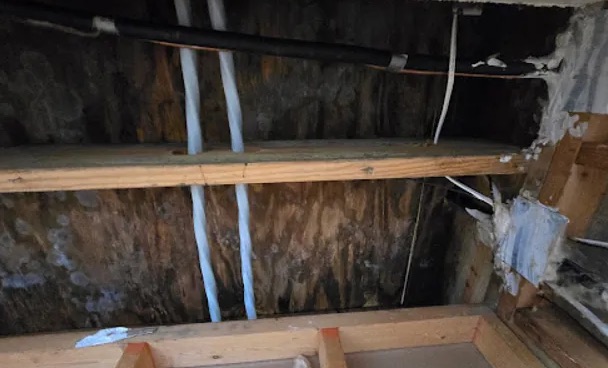
Roof Leak Cleanup and Drying in Lawrenceville
In Lawrenceville, most roof leak calls start with a brown stain on the ceiling or water dripping from a light fixture during a storm.
Roof leak water removal is available in Lawrenceville and nearby Grayson, Dacula and Snellville. The pros tarp the opening if needed, extract the water and dry the attic framing and ceiling drywall.
What Roof Leak Water Removal Covers in Lawrenceville
Leak Source Identification
Water often travels along rafters before it drips, so the stain is rarely under the hole. Tracing it in the attic shows the real entry point.
Ceiling Water Damage Cleanup
Stained or sagging drywall is checked with a moisture meter. Sections that are soft or bowed are cut out so the cavity above can dry and the ceiling can be patched.
Attic Water Extraction
In Lawrenceville homes with low attics, extraction is done with compact equipment that fits between joists and over ceiling drywall without stepping through it.
Structural Drying Services
Wet framing in Lawrenceville attics is dried with directed airflow and dehumidification. Daily readings show when the wood is dry enough for repairs.
Wall Cavity Drying
Bubbling paint or a damp baseboard below a ceiling stain means water is in the wall. Drying the cavity keeps the framing and drywall from rotting.
Signs You Need Roof Leak Water Removal
Gutters Spilling Over the Roof Edge
Gutters that overflow toward the house during storms can push water under the shingles and into the wall top plates.
Puddles Under the Ceiling
Water on the floor under a stain or a drip means the ceiling above is already holding more than it can absorb.
Daylight Through the Roof Deck
Light showing through the decking from inside the attic marks a gap where rain can come straight in.
Damp Baseboards on Exterior Walls
Wet or swelling baseboards under a ceiling stain mean water has traveled down the wall cavity from the attic.
How Roof Leak Water Removal Works in Lawrenceville
Step 1: Find Where the Water Enters
The pros trace the water from the stain up into the attic to locate the entry point and note it for the roofer.
Step 2: Measure the Wet Area
Moisture meters and a thermal camera show how far the water spread across the attic, ceiling and walls.
Step 3: Extract and Remove
Standing water is removed, and drywall or insulation that is too wet to dry in place is cut out.
Step 4: Dry and Verify
Drying equipment runs until readings in the wood and drywall match dry areas of the house, and the results are recorded.
Where Roof Leaks Start in Lawrenceville
Worn Flashing
Flashing around chimneys, skylights and wall joints can crack, rust or pull loose, and water runs in along the gap.
Clogged Gutters
Leaves and debris in gutters make water back up at the roof edge, where it seeps under shingles and into the soffit and walls.
Skylight Seals
Skylight gaskets and curb flashing wear out, and water runs into the shaft and down the drywall around the opening.
Aging Roofing Materials
As shingles age they curl, lose granules and crack, and slow leaks start where the roof covering has worn thin.
Home and Business Roof Leak Cleanup in Lawrenceville
Residential Roof Leak Water Removal
In older Lawrenceville homes, leaks often follow old chimney chases or plaster ceilings. The pros check these areas closely because plaster holds water longer than drywall.
Commercial Roof Leak Water Removal
Warehouses and shops with large roof areas can have several leaks at once. The pros map each wet area, extract water and dry the structure section by section.
What You Can Do Before Help Starts on a Roof Leak
Move furniture, electronics and rugs out from under the leak, and set buckets under steady drips. Lay towels to keep water from spreading across wood or carpet floors.
Factors in Roof Leak Water Removal Cost in Lawrenceville
Roof leak cleanup is usually priced on the area affected, the equipment used and the days it runs. After-hours calls during a storm can add to the price.
Size of the Wet Area
The square footage of wet attic, ceiling and wall sets how much equipment is needed and how long it runs.
Emergency Tarping
If the roof needs a tarp before drying can start, the materials and labor for that step add to the bill.
Ceiling Drywall
Ceilings that can be dried in place cost less than ones that sag or crumble and have to be cut out and replaced.
Does Insurance Cover Roof Leak Water Removal?
Call your insurer soon after you find the leak. Photos of the ceiling, attic and roof, plus the moisture readings, help the adjuster review the claim.
Why Call Local Restoration Pros for Roof Leak Water Removal in Lawrenceville
Safe Attic Work
The pros know how to move through an attic on the framing and handle wet ceilings without bringing them down.
One Job, Start to Finish
Tarping, extraction, insulation removal and drying happen in order, so each step is not left waiting on another company.
Finding Hidden Water
Thermal cameras and moisture meters find wet insulation and wall cavities that are not visible from the room below.
Emergency Attic Water Removal in Lawrenceville
Roof leaks get worse with every hour of rain. Call (770) 800-8286 any time for tarping, attic extraction and drying in Lawrenceville.
Call Now (770) 800-8286Roof Leak Water Removal Services Throughout Gwinnett County
Homes in Lawrenceville and nearby places such as Grayson, Dacula and Snellville can get help with attic water extraction, wet insulation and ceiling drying after a roof leak.
- Roof Leak Water Removal in Grayson
- Roof Leak Water Removal in Dacula
- Roof Leak Water Removal in Snellville
- Roof Leak Water Removal in Suwanee
- Roof Leak Water Removal in Duluth
- Roof Leak Water Removal in Lilburn
- Roof Leak Water Removal in Norcross
- Roof Leak Water Removal in Buford
- Emergency Damage Restoration in 30042
- Storm Damage Restoration in 30042
- Water Damage Restoration in 30042
- Water Extraction Service in 30042
- Water Leak Detection in 30042
- Water Removal Service in 30042
- Emergency Damage Restoration in 30043
- Storm Damage Restoration in 30043
FAQ: Roof Leaks, Attics and Ceilings
What is roof leak water removal?
It is the work of getting rainwater out of the attic, ceiling, walls and floors after a roof leak and drying the structure. The roof repair itself is done by a roofer.
How is water removed from an attic?
Standing water is pulled out with wet vacuums and extractors, then soaked insulation is removed so the ceiling and framing can be dried.
How soon should water removal start after a roof leak?
As soon as possible. Wet drywall and insulation can start to grow mold in 24 to 48 hours, and a ceiling holding water can sag and fall.
What does emergency roof tarping involve?
A heavy tarp is laid over the damaged area and fastened down so rain stops coming in. It stays until a roofer makes the permanent repair.
What tools help find a hidden roof leak?
Moisture meters, thermal cameras and a careful look at the attic decking help the pros spot wet areas that are not visible from below.