Dawsonville, GA · Dawson County
Roof Leak Water Removal in Dawsonville, GALeak Source Identification & Attic Water Extraction
Roof Leak Water Removal in Dawsonville covers emergency roof tarping, attic water extraction, ceiling water damage cleanup and wet insulation removal.
Answered 24/7
Roof Leak Water Removal in Dawsonville, GA
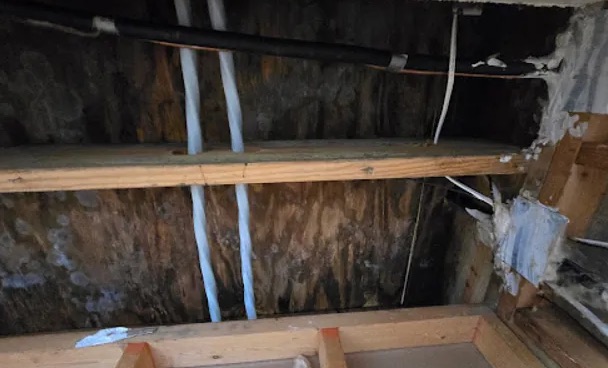
When a storm pushes water through the roof of a Dawsonville home, the attic is the first place it collects and the hardest place to dry.
Roof leak water removal is available in Dawsonville and nearby Dahlonega, Cumming and Ball Ground. The pros tarp the opening if needed, extract the water and dry the attic framing and ceiling drywall.
What Roof Leak Water Removal Covers in Dawsonville
Leak Source Identification
Water often travels along rafters before it drips, so the stain is rarely under the hole. Tracing it in the attic shows the real entry point.
Attic Water Extraction
In Dawsonville homes with low attics, extraction is done with compact equipment that fits between joists and over ceiling drywall without stepping through it.
Wall Cavity Drying
Bubbling paint or a damp baseboard below a ceiling stain means water is in the wall. Drying the cavity keeps the framing and drywall from rotting.
Wet Contents Protection
Belongings stored in the attic or sitting under a dripping ceiling are moved to a dry room so they do not keep absorbing water while drying runs.
Emergency Roof Tarping
A heavy tarp is fastened over the damaged section so rain stops coming in while the inside is dried. A roofer makes the permanent repair later.
How to Tell Water Is Coming Through the Roof
Dripping From a Light Fixture
Water dripping from a light or ceiling fan means it has pooled above the ceiling. Turn off that circuit and keep people clear.
Gutters Spilling Over the Roof Edge
Gutters that overflow toward the house during storms can push water under the shingles and into the wall top plates.
Rusty Nails in the Attic
Rust on roofing nails or metal straps in the attic means moisture has been collecting there over many rains.
Sagging or Bulging Drywall
A ceiling that bulges or feels soft is holding water. It can give way, so keep people and pets out of the room.
How Roof Leak Water Removal Works in Dawsonville
Step 1: Stop the Water
The opening in the roof is tarped and drips inside are caught, so no more rain reaches the attic while the cleanup starts.
Step 2: Attic Water Extraction
Standing water is pulled from the attic floor and from on top of the ceiling with wet vacuums and portable extractors.
Step 3: Remove Wet Insulation
Soaked insulation is bagged and taken out so the drywall and joists underneath are open to air.
Step 4: Structural Drying
Air movers and dehumidifiers dry the rafters, decking and ceiling, with readings taken each day until the wood is dry.
Why Water Gets Into the Attic in Dawsonville
Damaged or Missing Shingles
Wind, age and impact lift or tear shingles and leave the underlayment exposed, so rain soaks straight into the decking.
Skylight Seals
Skylight gaskets and curb flashing wear out, and water runs into the shaft and down the drywall around the opening.
Cracked Vent Boots
The rubber collars around plumbing vents dry out and split with age, letting rain drip down the pipe into the attic.
Aging Roofing Materials
As shingles age they curl, lose granules and crack, and slow leaks start where the roof covering has worn thin.
Residential and Commercial Roof Leak Water Removal in Dawsonville
Residential Roof Leak Water Removal
Attic work in a house is tight. Local water damage pros in Dawsonville work from the joists, remove wet insulation and dry the ceiling drywall without stepping through it.
Commercial Roof Leak Water Removal
Leaks over stores and offices can wet stock, desks and electronics. The pros move contents out of the drip zone, extract the water and set up drying for the affected suites.
Roof Leak Cleanup: DIY or Professional in Dawsonville
Do not poke a sagging ceiling to drain it yourself. The drywall can drop all at once, along with wet insulation and a lot of water.
Factors in Roof Leak Water Removal Cost in Dawsonville
Costs rise when water has reached walls and floors below the attic, because each level needs its own extraction and drying setup.
Size of the Wet Area
The square footage of wet attic, ceiling and wall sets how much equipment is needed and how long it runs.
Attic Access
Low, tight attics with little floor to stand on take longer to work in than open attics with a walkway.
Emergency Tarping
If the roof needs a tarp before drying can start, the materials and labor for that step add to the bill.
Does Insurance Cover Roof Leak Water Removal?
Call your insurer soon after you find the leak. Photos of the ceiling, attic and roof, plus the moisture readings, help the adjuster review the claim.
Why Roof Leaks Need Professional Drying in Dawsonville
Notes for the Roofer
The entry point and the path the water took are documented so the roofer knows exactly where to look.
One Job, Start to Finish
Tarping, extraction, insulation removal and drying happen in order, so each step is not left waiting on another company.
Wet Insulation Handled
Soaked insulation is bagged and removed so the ceiling and framing can dry instead of staying damp under it.
24/7 Emergency Roof Leak Water Removal in Dawsonville
A sagging ceiling can come down without warning. Keep people out of the room and call (770) 800-8286 for emergency roof leak water removal in Dawsonville.
Call Now (770) 800-8286Local Roof Leak Water Removal Coverage for Dawsonville
Homes in Dawsonville and nearby places such as Dahlonega, Cumming and Ball Ground can get help with attic water extraction, wet insulation and ceiling drying after a roof leak.
- Roof Leak Water Removal in Dahlonega
- Roof Leak Water Removal in Cumming
- Roof Leak Water Removal in Ball Ground
- Roof Leak Water Removal in Jasper
- Roof Leak Water Removal in Gainesville
- Roof Leak Water Removal in Ellijay
- Roof Leak Water Removal in Oakwood
- Roof Leak Water Removal in Canton
- Emergency Damage Restoration in 30534
- Storm Damage Restoration in 30534
- Water Damage Restoration in 30534
- Water Extraction Service in 30534
- Water Leak Detection in 30534
- Water Removal Service in 30534
Roof Leak Water Removal FAQs
Can a roof leak cause mold in the attic?
Yes, if the wood and insulation stay wet. Prompt extraction and drying, plus removing soaked insulation, keep the attic from staying damp long enough for mold.
What should I do first when I find a roof leak?
Catch drips, move belongings away, turn off power to wet fixtures and take photos. Then call (770) 800-8286 to have the water removed and the attic dried.
How is water removed from an attic?
Standing water is pulled out with wet vacuums and extractors, then soaked insulation is removed so the ceiling and framing can be dried.
How do the pros find where a roof is leaking?
They trace the water from the stain up into the attic, follow it along the rafters and decking, and use moisture meters to find the entry point.
What happens after the water is removed?
Drying equipment runs and the pros take readings until the attic and ceiling are dry. Then the roofer and drywall repairs can go ahead.