Milton, GA · Fulton County
Restaurant Water Damage Restoration in Milton, GAWater Damaged Flooring Repair & Walk-In Cooler Water Damage Cleanup
Kitchen flood water extraction, grease trap overflow cleanup, and water damaged flooring repair are urgent Restaurant Water Damage Restoration tasks in Milton.
Answered 24/7
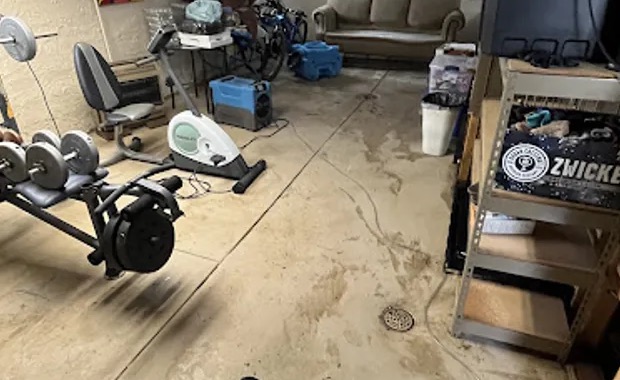
Local Restaurant Water Damage Restoration Solutions in Milton
Emergency dishwasher leaks in Milton restaurants can flood kitchen spaces rapidly, spreading water mixed with detergents and food particles.
Commercial kitchen drying services in Milton combat moisture from floods or leaks. Local pros serve Milton and nearby areas like Johns Creek, Roswell and Cumming. They help minimize downtime from water damage in the area's food service establishments.
Comprehensive Restaurant Water Damage Restoration Solutions
Water Damaged Flooring Repair
Prolonged moisture leads to cupped wood or bubbled vinyl. Repair addresses these issues, which might include sanding salvaged wood or replacing sections of vinyl composition tile for a seamless look.
Walk-In Cooler Water Damage Cleanup
A walk-in cooler's drain line malfunction can soak insulation and flooring. Cleanup involves delicate water extraction without damaging refrigeration lines, aiming to dry the interior thoroughly to prevent mold.
Grease Trap Overflow Cleanup
A grease trap overflow creates a severe sanitation hazard. Cleanup involves safely extracting the contaminated Category 3 water and thoroughly disinfecting all affected surfaces for health code compliance.
Restaurant Mold Prevention Services
Air movers and dehumidifiers bring humidity down below 60 percent, which keeps mold from starting while the kitchen dries.
Emergency Dishwasher Leak Repair
A leaking dishwasher creates a slippery, hazardous mess. The emergency process prioritizes safety: shutting off power and water, extracting water, and diagnosing the leak point to prevent reoccurrence.
When to Call for Restaurant Water Damage Restoration in Milton
Soggy Drywall Around Sinks
Soft, damp patches on walls behind prep sinks mean a plumbing leak is soaking the drywall.
Squeaky or Spongy Floors
Floors that feel soft or make noise suggest water damaged flooring repair is necessary to prevent collapse.
Condensation Dripping From Pipes
Constant dripping from equipment or pipes can leave pooled water under counters and coolers.
Water Stains on Kitchen Cabinets
Dark streaks under sinks or counters often mean a pipe is leaking where no one can see it.
How Restaurant Water Damage Restoration Works in Milton
Step 1: Stop the Water Source
Identifying and stopping the leak or overflow is the priority, whether from plumbing or appliance failure.
Step 2: Extract Standing Flood Water
Standing water is pumped out from kitchen floors, including under heavy equipment.
Step 3: Dry Structural Materials
Walls, subfloors, and cabinets are dried using professional-grade equipment to prevent structural damage and mold growth.
Step 4: Sanitize and Deodorize
The area is sanitized to remove odors and bacteria before food service resumes.
Common Causes of Restaurant Water Damage
Faulty Dishwasher Connections
Worn hoses or faulty door seals on commercial dishwashers leak water onto the floor.
HVAC Condensate Drain Issues
A clogged AC drain line can leak significant water into the kitchen, risking mold growth.
Appliance Malfunction and Overflow
Malfunctioning ice machines or coffee brewers can overflow, soaking floors and damaging kitchen equipment.
Failed Plumbing Behind Walls
Corroded pipes or loose fittings hidden in walls leak slowly and soak the drywall.
Restaurant Water Damage Restoration for Food Service Businesses
Residential Water Damage Restoration
Burst pipes under a home kitchen sink can cause extensive water damage to cabinets and flooring. Restoration pros implement comprehensive drying protocols to save cabinetry and prevent long-term structural issues in the affected area.
Restaurant Water Damage Restoration
Major restaurant floods from broken supply lines require industrial drying equipment for effective recovery. Restaurant drying services use high-capacity air movers and dehumidifiers to dry thick commercial flooring and subfloors quickly.
Restaurant Water Damage Restoration vs. DIY: When to Call Commercial Water Removal Specialists
Document the damage by taking clear photos from multiple angles for your insurance records before any cleanup begins. Do not start permanent repairs or discard damaged items before a professional assessment.
What Influences Restaurant Water Damage Restoration Pricing
Kitchen water extraction cost depends on how soaked the floors and walls are and whether a grease trap overflow needs cleanup.
Specialized Equipment Use
Extracting water from under heavy kitchen equipment or using industrial-grade dehumidifiers for restaurant drying services influences the final service cost.
Water Contamination Category
Clean water from a supply line leak costs less to address than category 3 water from a sewer backup or grease trap overflow.
Affected Square Footage
A small dishwasher leak in a prep area involves less labor and equipment than a major flood across the entire kitchen and dining room.
Does Insurance Cover Restaurant Water Damage Restoration?
Insurance coverage for restaurant water damage restoration depends entirely on your specific commercial policy and the cause of the loss. The specialists document all damage with photos and moisture readings for your claim, but the decision on coverage belongs to your insurer.
Why Choose Local Specialists for Restaurant Water Damage Restoration
Mold Prevention Focus
A thorough drying process and humidity control are key components of restaurant mold prevention services after any water intrusion event.
Contamination Protocol
Proper handling of category 2 or 3 water, such as from a grease trap overflow cleanup, protects health and meets safety guidelines.
Commercial Kitchen Focus
Kitchens have walk-ins, drains and heavy equipment. Knowing where water collects in them speeds up the work.
Round-the-Clock Restaurant Water Damage Restoration Availability
A major plumbing leak in your restaurant can halt operations. To secure emergency commercial water damage repair and start drying, contact local experts anytime at (770) 800-8286.
Call Now (770) 800-8286Restaurant Water Damage Restoration Throughout the Milton Region
Restaurants in Milton can get kitchen water extraction and emergency cleanup. The specialists also work in areas including Johns Creek, Roswell and Cumming.
- Restaurant Water Damage Restoration in Johns Creek
- Restaurant Water Damage Restoration in Roswell
- Restaurant Water Damage Restoration in Cumming
- Restaurant Water Damage Restoration in Berkeley Lake
- Restaurant Water Damage Restoration in Peachtree Corners
- Restaurant Water Damage Restoration in Dunwoody
- Restaurant Water Damage Restoration in Holly Springs
- Restaurant Water Damage Restoration in Canton
- Emergency Damage Restoration in 30004
- Storm Damage Restoration in 30004
- Water Damage Restoration in 30004
- Water Extraction Service in 30004
- Water Leak Detection in 30004
- Water Removal Service in 30004
- Emergency Damage Restoration in 30005
- Storm Damage Restoration in 30005
Your Restaurant Water Damage Restoration Questions Addressed
What documentation is provided for insurance after food service water damage?
The specialists provide detailed photos, moisture mapping readings, and a scope of work documenting all damage and restoration actions for your claim file.
What happens during water damaged flooring repair?
The process assesses the flooring material, removes water from the subfloor, and repairs or replaces the floor covering once the structure is completely dry.
Why is water extraction critical for a restaurant?
Fast kitchen water extraction limits the spread of water, reduces drying time, and helps prevent secondary damage like swelling, rust, and mold formation.
How fast is emergency water removal for a restaurant?
The specialists can start kitchen water extraction any time, day or night, which limits damage and lost business.
How is walk-in cooler water damage cleanup handled?
This requires specialized techniques to dry insulated walls and floors while managing low temperatures, often using equipment designed for cold environments.