Cumming, GA · Forsyth County
Rapid Structural Drying in Cumming, GAFlood Drying Services & Structural Dehumidification
Rapid Structural Drying in Cumming involves emergency structural drying, wall cavity drying, and flood drying services from restoration pros.
Answered 24/7
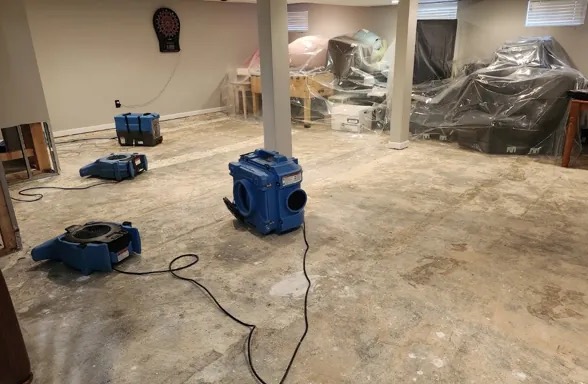
Reliable Rapid Structural Drying Available in Cumming
Water intrusion from plumbing failures or weather events threatens structural integrity in any property. Untreated moisture leads to wood rot, mold growth and compromised building materials.
Properties in Cumming often require rapid structural drying after plumbing failures or weather-related water intrusion. Services extend to nearby places like Sugar Hill, Buford and Milton for comprehensive coverage.
Comprehensive Rapid Structural Drying Solutions
Flood Drying Services
After a flood event, drying must be rapid and extensive. The approach is systematic, moving from room to room to stabilize the entire affected area.
Structural Dehumidification
The core of rapid structural drying is aggressive dehumidification. Using low-grain refrigerant (LGR) or desiccant units, pros control the environment to halt secondary damage.
Emergency Structural Drying
The priority after water damage is rapid drying. Powerful drying systems are then activated to aggressively remove water vapor and protect the building's integrity.
Concrete Slab Drying
After a major flood, a concrete floor often holds significant moisture. Drying the slab prevents future problems with flooring and humidity.
Subfloor Drying
Wet subfloors can warp, swell, and compromise the floor system. Drying removes moisture from plywood or OSB, often requiring lifted flooring sections to allow direct airflow from above and below.
When Rapid Structural Drying Is Needed
Musty Odors in Your Home
A musty smell that will not go away usually means moisture is trapped inside walls or under floors.
Recent Plumbing Leak or Flood
Any recent leak or flood can leave water inside walls and floors even after surfaces look dry.
Warped or Bubbling Floorboards
Hardwood floors that buckle or cup have taken on moisture from below, usually from a wet subfloor.
Damp Spots on Concrete Floors
Persistent dampness on a concrete slab can leave white mineral deposits and loosen flooring adhesive.
How Rapid Structural Drying Works in Cumming
Step 1: Emergency Assessment and Moisture Mapping
Local structural drying pros first perform a detailed inspection using moisture meters and thermal imaging to create a precise moisture map of all affected structural areas.
Step 2: Strategic Flood Drying Setup
Based on the moisture map, air movers and dehumidifiers are placed where they dry the wet materials fastest.
Step 3: Targeted Cavity and Subfloor Drying
Hidden moisture in walls and subfloors is dried with injection systems or drying mats, without tearing out the finishes.
Step 4: Verification and Structural Dehumidification
Pros check moisture levels with meters and adjust equipment until all materials meet dry targets.
What Leads to Needing Rapid Structural Drying
Overflowing Sinks or Bathtubs
A bathroom overflow can send water under flooring and into wall cavities, where it stays hidden.
Burst Pipes or Plumbing Failures
A burst pipe can release hundreds of gallons, soaking drywall, subfloors and framing well beyond the room where it broke.
Severe Weather and Flooding
Heavy rainfall or localized flooding can overwhelm drainage, leading to water intrusion.
Appliance Malfunctions and Leaks
Faulty water heaters, washing machines, or dishwashers can leak slowly, causing hidden damage in walls and floors over time.
Rapid Structural Drying for Homes and Businesses
Residential Rapid Structural Drying
Crawl space drying is critical in homes to stop wood rot and pest infestation. The pros run drying ducts and desiccant dehumidifiers under the house until it reads dry.
Commercial Rapid Structural Drying
Offices get drying plans that run in phases, floor by floor, so wall cavities and ceiling plenums are dried with the least disruption.
Why DIY Rapid Structural Drying Often Fails
You can sweep water out of a garage or away from a foundation exterior. Inside, place aluminum foil squares on concrete slabs to test for condensation.
Understanding Rapid Structural Drying Investment
For commercial drying in Cumming, cost depends on how long the business is interrupted and the size of the drying setup.
Water Contamination Category
Clean water from a broken pipe is simpler to address than contaminated flood water, which requires more extensive safety and drying protocols.
Secondary Damage Prevention
Efforts to prevent mold growth during the drying process, such as applying antimicrobials, can be a factor in the service cost.
Required Drying Equipment
The number and type of industrial air movers, dehumidifiers, and moisture meters deployed for structural moisture removal influence operational costs.
Does Insurance Cover Rapid Structural Drying?
Commercial structural drying may be covered under a business property policy if the water damage is from a covered event. The business owner should initiate the claim and provide all documentation to their insurer.
Why Choose Local Pros for Rapid Structural Drying in Cumming
Focus on Structural Integrity
The process prioritizes drying the building structure itself, including wall cavities and subfloors, to protect its stability.
IICRC-Standard Drying Methods
Drying follows set targets checked with meters, which prevents damage from moisture left behind.
Detailed Documentation for Claims
Comprehensive logs of moisture readings and photos are taken to document the damage for insurance purposes.
24/7 Rapid Structural Drying When You Need It
The first 24 to 48 hours after a leak matter most for drying. If you have standing water or soaked walls, call (770) 800-8286 to start drying.
Call Now (770) 800-8286Rapid Structural Drying for Cumming, Sugar Hill, Buford and Milton
Wall cavity and subfloor drying is available in Cumming and nearby areas such as Sugar Hill, Buford and Milton.
- Rapid Structural Drying in Sugar Hill
- Rapid Structural Drying in Buford
- Rapid Structural Drying in Milton
- Rapid Structural Drying in Suwanee
- Rapid Structural Drying in Flowery Branch
- Rapid Structural Drying in Oakwood
- Rapid Structural Drying in Dawsonville
- Rapid Structural Drying in Ball Ground
- Emergency Damage Restoration in 30028
- Storm Damage Restoration in 30028
- Water Damage Restoration in 30028
- Water Extraction Service in 30028
- Water Leak Detection in 30028
- Water Removal Service in 30028
- Emergency Damage Restoration in 30040
- Storm Damage Restoration in 30040
Your Rapid Structural Drying Questions Answered
Why is quick action critical for structural drying?
Quick action limits the extent of water absorption into materials, reduces the drying time required, and helps minimize the potential for costly repairs related to structural decay or mold.
How do pros know when structural drying is complete?
The pros use moisture meters to compare readings in affected materials to known dry standards in unaffected areas, ensuring moisture levels are acceptable before concluding the job.
What is structural dehumidification?
Structural dehumidification uses large-capacity dehumidifiers to lower the overall humidity within a building's structure, aiding the drying of materials and helping to prevent secondary water damage like mold.
Can flood drying services prevent mold?
Prompt flood drying services that quickly remove water and lower humidity can significantly reduce the risk of mold growth, which often begins within 24-48 hours in damp conditions.
How does emergency structural drying differ from regular drying?
It is drying that starts as an emergency call, often outside business hours, with equipment set up to protect the structure before materials swell or grow mold.