
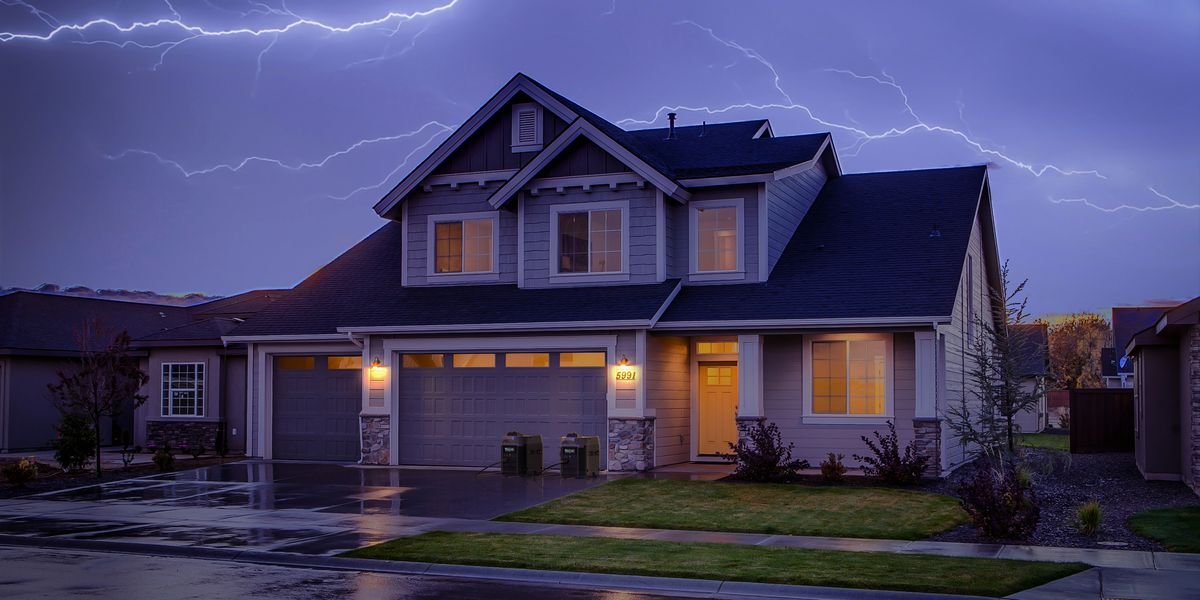
Storms in Alpharetta, GA, are becoming more intense and unpredictable with each passing year. From torrential rain to high-speed winds, Mother Nature can do serious damage.
That is why homeowners need to stay one step ahead. This guide walks you through the best ways to storm-proof your home and protect your investment before the next storm rolls in.
Understanding the Risks of Storm Damage
Common Types of Storm Damage
Storm damage can appear in many forms:
- Wind Damage: Missing shingles, broken fences, and downed trees.
- Water Damage: Leaky roofs, flooded basements, and soaked drywall.
- Structural Damage: Collapsed roofs, broken windows, and foundation issues.
For more information on storm damage, visit National Weather Service Storm Safety Tips.
How Storms Impact Alpharetta Homes
Alpharetta may not be coastal, but Georgia storms bring heavy rain, wind, and occasional tornadoes. Spring and summer storms can dump inches of rain quickly, while fall may bring strong wind gusts and inland hurricanes.
Learn more in our guide on Conducting a Storm Damage Risk Assessment.
Conduct a Storm Damage Risk Assessment
Inspect Your Roof
Check for:
- Missing or curling shingles
- Signs of leaks in the attic
- Sagging areas or mold buildup
Learn more about roof inspections at Angi Roof Inspection Guide.
Evaluate Windows and Doors
Single-pane windows or poorly fitting doors can be vulnerable. Upgrading them may save thousands in repairs. See Strengthening Your Home’s Exterior for window and door improvement tips.
Check Your Drainage Systems
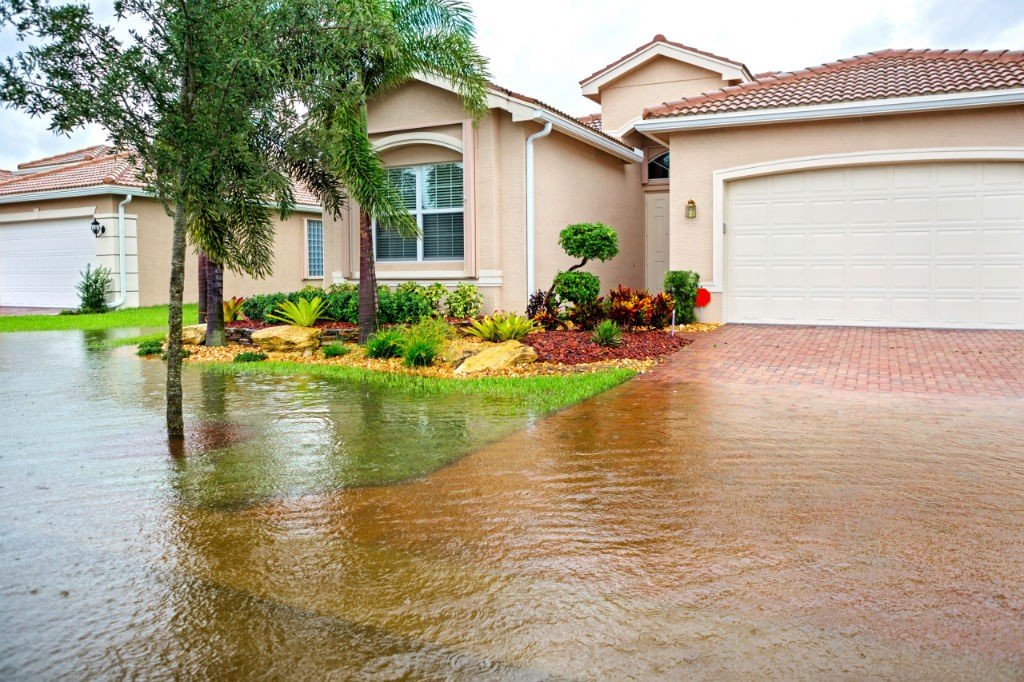
Ensure gutters are clear and downspouts direct water away from the foundation to prevent flooding. Refer to EPA Stormwater Management for proper drainage solutions. For more guidance, see Flood-Proofing Your Property.
Strengthening Your Home’s Exterior
Upgrade to Impact-Resistant Windows
These windows withstand high winds and flying debris, protecting your home’s interior. Read our Roofing Tips to Prevent Storm Damage for complementary protection strategies.
Reinforce Garage Doors
Install wind-rated garage doors or reinforce existing ones to prevent wind intrusion.
Install Storm Shutters
Shutters shield windows during hurricanes or windstorms and are easy to deploy.
Secure Outdoor Items
Furniture, grills, and potted plants can become airborne hazards. Secure or store them indoors before storms.
Flood-Proofing Your Property
Landscape for Better Drainage
Grade your yard to slope away from your house. Consider French drains or dry creek beds for water-prone areas. Learn more at HomeAdvisor Landscaping Tips.
Elevate HVAC Systems and Utilities
Raise basement utilities on concrete blocks to prevent flood damage.
Install a Sump Pump in the Basement
A sump pump with battery backup can prevent basement flooding and water damage. Read more at Bob Vila Sump Pump Guide.
Roofing Tips to Prevent Storm Damage
Choose Durable Roofing Materials
Metal roofs or architectural shingles offer better wind and impact resistance than standard asphalt shingles.
Schedule Regular Roof Inspections
Have a professional inspect your roof at least once a year or after major storms to catch minor issues early. For more on roof inspections, see Inspect Your Roof.
Seal and Flash Roof Penetrations
Ensure vents, chimneys, and pipes are properly sealed and waterproofed.
Tree and Yard Maintenance
Trim Overhanging Branches
Branches over roofs or power lines should be trimmed to prevent breakage during storms.
Remove Dead or Unstable Trees
Dead trees can fall unexpectedly. Have an arborist inspect them yearly. See Arbor Day Foundation Tree Safety Tips.
Secure Loose Landscaping Features
Rocks, birdbaths, and statues should be secured or stored indoors when storms are forecasted. For additional precautions, refer to Secure Outdoor Items.
Preparing for the Storm Season
Create an Emergency Plan
Know where to go, how to communicate, and what to grab in an emergency. Practice this plan with your family. For a detailed guide, visit Ready.gov Emergency Plan.
Keep Emergency Supplies Handy
Stock essentials such as:
- Flashlights and batteries
- Non-perishable food
- First aid kits
- Bottled water
Backup Power Options (Generators)
Generators keep lights, refrigerators, and sump pumps running during power outages. Test and prepare them in advance. Learn more at Consumer Reports Generator Buying Guide.
What to Do Immediately After a Storm
Safety First: Check for Hazards
Avoid standing water, downed power lines, and unstable structures.
Document Damage
Take photos and videos for insurance claims to ensure coverage. Read more at Insurance Information Institute Tips.
Contact a Water Damage Restoration Professional
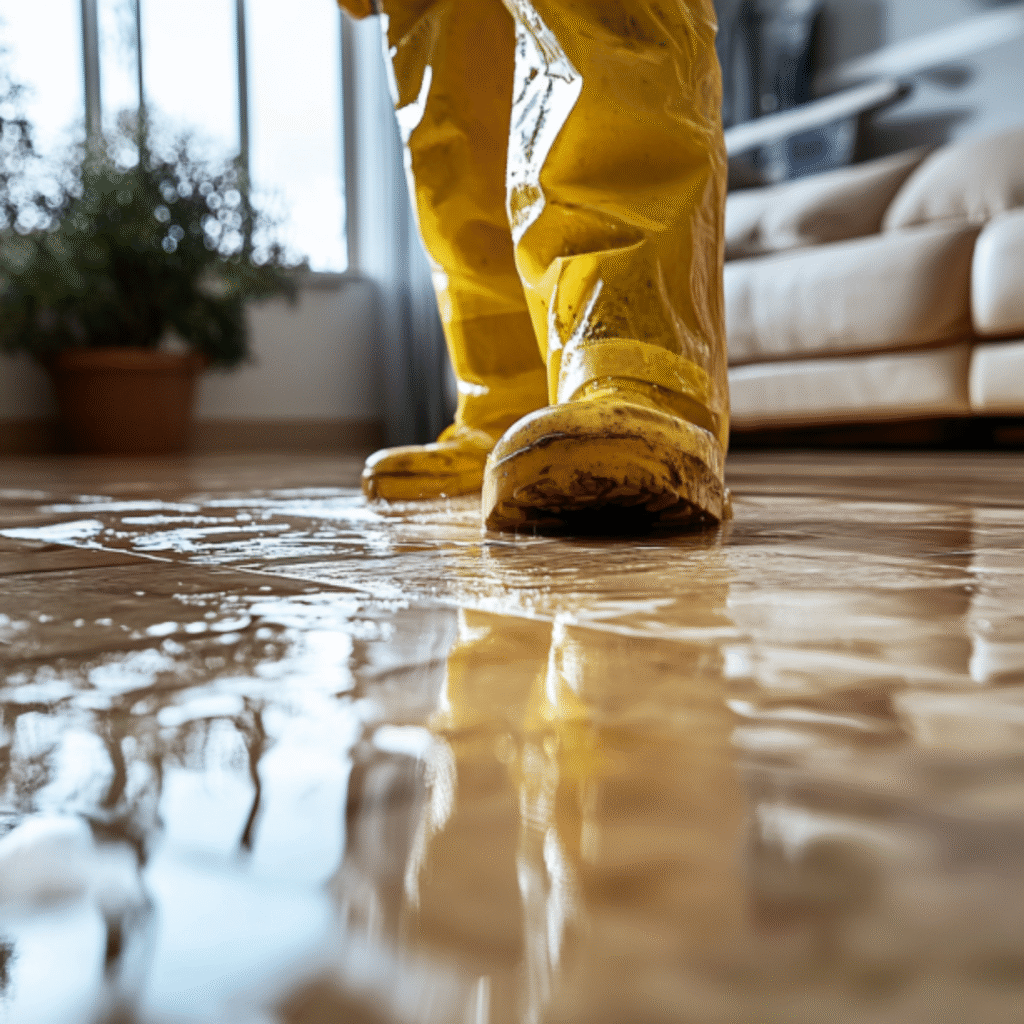
Act quickly to prevent mold and secondary damage. Professional restoration services like Water Restoration Alpharetta Pros dry and restore homes safely and efficiently. See Why Professional Water Restoration Matters for benefits.
Why Professional Water Restoration Matters
Quick Response Time
Fast action reduces overall damage.
Preventing Mold and Secondary Damage
Mold can grow within 24 hours. Professionals ensure proper drying and restoration to prevent health hazards.
Local Expertise
Understanding Alpharetta’s weather, building codes, and insurance systems ensures homeowners receive effective, reliable service.
Long-Term Preventive Maintenance
Annual Inspections
Check roofs, gutters, foundations, and HVAC systems yearly before storm season.
Keep Your Insurance Updated
Ensure your policy covers storm and flood damage. Consider supplemental coverage if needed.
Home Improvement Investments
Upgrade your home with storm-resistant features like improved siding, impact-rated roofing, or elevated foundations.
Conclusion
Storms are inevitable, but damage can be minimized. Reinforce your roof, improve drainage, maintain trees, and prepare emergency plans. Every proactive step adds up to significant protection. When storms do hit, professional restoration services like Water Restoration Alpharetta Pros help you recover safely and efficiently.
FAQs
How do I know if my home is storm-ready?
Check your roof, windows, doors, and drainage systems. Weak or outdated elements need upgrading.
What are the first steps to take after storm damage?
Ensure safety, document damage, and contact a restoration professional.
How often should I inspect my roof in Alpharetta?
At least once a year and after major storms. Refer to Inspect Your Roof section.
Can landscaping really help prevent flooding?
Yes, proper grading and strategic landscaping move water away from your foundation. See Flood-Proofing Your Property.
Why is professional restoration important after a storm?
It ensures quick drying, mold prevention, and structural safety, saving time, money, and stress.

Lorenzo Swanson is a licensed Damage Restoration Expert with over 20 years of experience in property mitigation and environmental recovery. As a veteran in the restoration industry, Lorenzo has spent two decades mastering the science of structural drying and hazard response. His extensive field knowledge and commitment to technical excellence ensure that every project is handled with the highest level of professional care, making him a trusted authority for homeowners and businesses navigating the aftermath of property damage.
𝗖𝗲𝗿𝘁𝗶𝗳𝗶𝗰𝗮𝘁𝗶𝗼𝗻𝘀: Lorenzo is highly credentialed with IICRC certifications in Water Damage Restoration (WRT), Mold Remediation (AMRT), Applied Structural Drying (ASD), Odor Control, and Fire and Smoke Restoration.
𝗙𝗮𝘃𝗼𝗿𝗶𝘁𝗲 𝗣𝗮𝘀𝘁𝗶𝗺𝗲: When off the clock, Lorenzo is an avid woodworker who enjoys building custom cabinetry, exploring mountain biking trails, and spending quality time with his family.
𝗕𝗲𝘀𝘁 𝗣𝗮𝗿𝘁 𝗼𝗳 𝘁𝗵𝗲 𝗝𝗼𝗯: Lorenzo finds the most fulfillment in being the expert who provides peace of mind, taking pride in the moment a property is safely restored and a family can finally return home.