Clarkesville, GA · Habersham County
Office Building Water Extraction in Clarkesville, GAOffice Records Water Protection & Wet Drywall Removal
Office Building Water Extraction in Clarkesville handles office building flood cleanup, commercial carpet water extraction and wet drywall removal.
Answered 24/7
Office Building Water Extraction in Clarkesville, GA
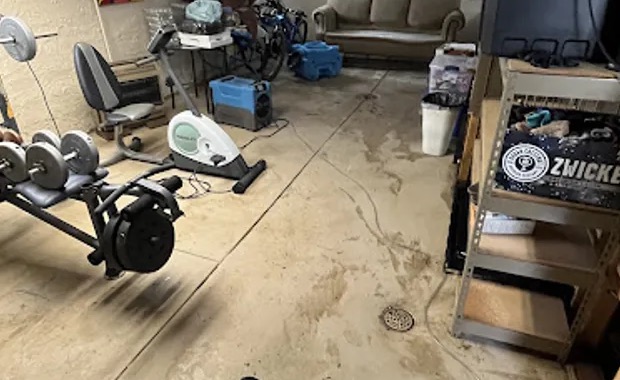
Water in an office can reach electrical outlets, floor boxes and server equipment. Safety checks come first, then extraction and drying.
Office building water extraction is available in Clarkesville and nearby Demorest, Cornelia and Baldwin. The pros handle glue-down carpet, drop ceilings and metal-stud walls common in offices.
What Office Water Extraction Covers in Clarkesville
Office Records Water Protection
Desks, files and computers in wet areas are moved, raised on blocks or covered. Wet paper records are boxed and set aside for document drying.
Wet Drywall Removal
Office partition walls often have metal studs and insulation that holds water. Removing the bottom strip of drywall lets air reach the cavity.
Office Building Flood Cleanup
Floodwater from outside or a sewer backup is treated as contaminated. Wet porous materials are removed and floors are cleaned and disinfected before drying.
Office Building Drying Services
Air movers and large dehumidifiers dry carpet, walls and furniture after extraction. Readings are taken each day until materials reach dry targets.
Ceiling Leak Water Removal
Wet acoustic tiles are removed, water on top of the grid is extracted and the plenum above is dried so the leak does not keep dripping onto desks.
Signs You Need Office Building Water Extraction
Warped Cabinet Bases
Break-room or reception cabinets with swollen particleboard bases often hide a slow leak from a sink, ice maker or coffee line.
Wet or Squishy Carpet
Carpet that feels damp or makes a squishing sound underfoot means water is in the backing or sitting on the slab beneath it.
Condensation on Windows and Walls
Beads of water on windows or cold walls inside an office mean the air is very humid, often from wet materials nearby.
Stained Ceiling Tiles
Brown rings or sagging acoustic tiles mean water is collecting above the grid from a roof drain, pipe or the floor above.
How Office Building Water Extraction Works in Clarkesville
Step 1: Map the Wet Area
Moisture meters and thermal cameras show how far water spread under carpet, inside walls and above the ceiling grid.
Step 2: Protect Records and Equipment
Computers, files and furniture in the wet zone are moved or set on blocks before extraction begins.
Step 3: Commercial Carpet Water Extraction
Glue-down carpet and carpet tiles are extracted with repeated passes that pull water from the backing and the slab surface.
Step 4: Verify and Document
Final readings are recorded with photos for each room, so the building owner and insurer can see the drying results.
Typical Sources of Commercial Water Damage in Clarkesville
Water Heater Failure
Tank water heaters in utility closets can rust through and leak into nearby offices and storage rooms.
Break-Room Appliances
Dishwashers, ice makers and coffee machines with water lines can leak slowly under cabinets for weeks before anyone notices.
Window and Wall Leaks
Failed window seals and cracked exterior joints let wind-driven rain into walls and onto carpet along the outside of the building.
Roof and Roof Drain Leaks
Flat commercial roofs with clogged drains or worn membranes let water into the plenum and through ceiling tiles.
Office and Mixed-Use Water Extraction in Clarkesville, GA
Residential Water Extraction
Home offices and live-work units get the same care as any home: water is removed from carpet and walls, and computers and paperwork are moved out of the wet area first.
Office Building Water Extraction
In multi-tenant office buildings, the pros dry each affected suite and keep separate moisture logs and photos, which helps the building owner and each tenant's insurer.
What Office Staff Can Do Before Help Starts
In-house maintenance can often stop the source. Drying glue-down carpet, metal-stud walls and plenums needs meters and commercial dehumidifiers to confirm the job is done.
Pricing Office Water Removal in Clarkesville
Leaks that reach more than one floor cost more because each level needs its own extraction, drying setup and set of records.
Work Hours
Night and weekend extraction to keep the office open can carry a higher rate than work done during business hours.
Ceilings and Walls
Wet ceiling tiles, plenum insulation and the lower strip of drywall add removal and drying time to the job.
Drying Time
Each extra day of dehumidifiers, air movers and moisture checks adds cost, so dense materials that dry slowly raise the total.
Does Insurance Cover Office Building Water Extraction?
The pros keep photos, readings and records for each suite. You file the claim and share these records with the adjuster.
Why Offices in Clarkesville Use Professional Water Extraction
Records for Every Suite
Readings and photos are kept for each affected space, which helps owners, tenants and insurers sort out the claim.
Clear Communication
Property managers get a plan for each area and daily updates, so they can tell tenants what to expect.
Night and Weekend Work
Extraction can happen after hours so fewer people are disturbed and the office reopens with less downtime.
24/7 Emergency Office Building Water Extraction in Clarkesville
Do not wait until Monday to deal with weekend water damage. Call (770) 800-8286 so water does not keep soaking into carpet and walls.
Call Now (770) 800-8286Office Building Water Extraction Coverage in Clarkesville, Georgia
The places below are also served, and each one has its own page.
- Office Building Water Extraction in Demorest
- Office Building Water Extraction in Cornelia
- Office Building Water Extraction in Baldwin
- Office Building Water Extraction in Toccoa
- Office Building Water Extraction in Lula
- Office Building Water Extraction in Gillsville
- Office Building Water Extraction in Dahlonega
- Office Building Water Extraction in Maysville
- Emergency Damage Restoration in 30523
- Storm Damage Restoration in 30523
- Water Damage Restoration in 30523
- Water Extraction Service in 30523
- Water Leak Detection in 30523
- Water Removal Service in 30523
FAQ: Water Extraction for Office Buildings
What safety steps are taken during office water extraction?
Power to wet areas is shut off, sagging ceiling tiles are removed and walkways are kept clear of hoses and cords.
How long does it take to dry an office after a leak?
Most offices dry in three to five days, depending on how much water there was and the type of flooring and walls. Readings decide when it is done.
Does water extraction stop mold in an office?
Fast extraction and drying are the main way to keep mold from starting. Materials that stay wet for more than a day or two are at higher risk.
Can the office stay open during drying?
Often, yes. Drying can be set up in zones, with closed areas taped off and equipment kept away from exits and busy hallways.
Is water from a restroom overflow dangerous?
It can be. Water from toilets and drains may carry bacteria, so wet porous materials are usually removed and surfaces are disinfected.