Lawrenceville, GA · Gwinnett County
Floor Water Damage Restoration in Lawrenceville, GAEmergency Floor Water Removal & Hardwood Floor Water Damage Repair
For Floor Water Damage Restoration in Lawrenceville, local pros handle vinyl floor water damage cleanup, concrete floor drying services and hardwood floor water damage repair.
Answered 24/7
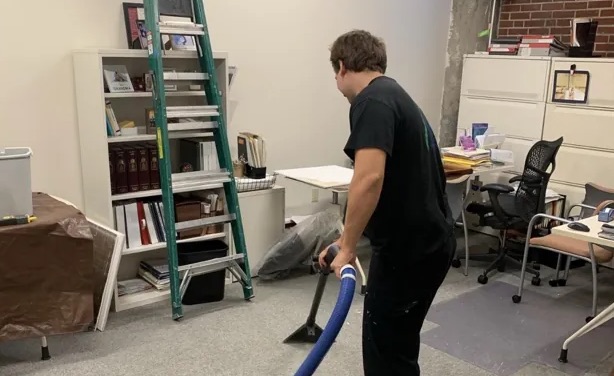
Professional Floor Water Damage Restoration in Lawrenceville, GA
Flooding from a leak or appliance failure soaks flooring materials, requiring specialized drying. For residents in Lawrenceville, this emergency disrupts the home and demands a fast, reliable response.
Wet floor restoration services in Lawrenceville and nearby areas like Grayson, Dacula and Snellville focus on thorough moisture extraction from all flooring layers. This helps preserve the integrity of homes in Lawrenceville.
Complete Floor Water Damage Restoration for Lawrenceville
Emergency Floor Water Removal
For sudden flooding in Lawrenceville, pros extract the water, which keeps the restoration job smaller.
Hardwood Floor Water Damage Repair
Moisture meters find water trapped under hardwood, and targeted drying systems then protect the subfloor and finish.
Vinyl Floor Water Damage Cleanup
Vinyl is not waterproof at the seams. When water gets underneath, floor water removal experts extract it and dry the subfloor before the vinyl lifts further.
Subfloor Water Damage Repair
The subfloor is the layer most vulnerable to water. Local repair specialists in Lawrenceville remove flooring to dry, repair or replace it.
Carpet Water Extraction Services
Local floor water removal experts remove bulk water from carpet, then often lift it to dry the pad and subfloor separately.
Signs Your Floors Need Water Damage Restoration
Squeaking or Creaking Sounds
New squeaks or creaks can mean fasteners loosened as the subfloor swelled from water underneath.
Laminate Floor Swelling
Swollen edges or a pillowed look on laminate planks means the fiberboard core has soaked up water and will not flatten again.
Buckling or Warping Boards
Hardwood or laminate planks that lift or curl at the edges usually mean water has reached the underside of the boards.
Tile Grout Deterioration
Crumbling or discolored grout lets water seep under tiles and soak the underlayment, often long before tiles loosen.
How Floor Water Damage Restoration Works in Lawrenceville
Step 1: Source Stop and Extraction
Extractors remove bulk water from a floor after the water source is stopped.
Step 2: Focused Floor Drying
Air movers blow across every wet surface while dehumidifiers lower the humidity in the room.
Step 3: Subfloor Damage Diagnosis
The subfloor is probed with a moisture meter to see how wet it is and whether it can be dried in place.
Step 4: Restoration and Replacement
Floors that can be saved are restored, and ruined sections are replaced, including carpet that cannot be re-stretched.
Frequent Sources of Floor Water Damage
Sprinkler System Accidents
A lawn sprinkler aimed at the house or an interior fire sprinkler discharge can put a lot of water on a floor fast.
Improper Door and Window Seals
Failed caulk or weather stripping lets wind-driven rain in around doors and windows, where it pools on the floor at the frame.
Roof Leaks and Storm Damage
Roof leaks travel along joists and walls before they show up, often soaking upper floors and the subfloor first.
Plumbing Line Failures
Burst supply lines, cracked drain pipes and failed fittings under sinks and toilets often send a lot of water across a floor before anyone notices.
Home and Business Floor Water Damage Restoration in Lawrenceville
Residential Floor Water Damage Restoration
Extraction experts use powerful truck-mounted units to remove water, then lift carpets for underlayment drying, a key step in preventing odors and preserving the homeowner's investment.
Commercial Floor Water Damage Restoration
The process involves careful removal of planks, drying of the substrate, and replacement with the same materials so the floor looks uniform.
Floor Water Damage Restoration vs. DIY: When to Call the Pros
Mop and dry tile, vinyl, or sealed concrete after a small leak. Check adjacent rooms for dampness. Use aluminum foil on carpet to test for moisture. Moisture trapped beneath the surface needs professional meters and drying equipment.
What Influences Floor Water Damage Restoration Pricing in Lawrenceville
Your floor water damage cleanup cost in Georgia depends on whether the affected area is confined or has spread to adjacent rooms.
Subfloor Damage Presence
A wet subfloor that has swelled or softened may need plywood replaced, which adds to the scope and the cost.
Emergency Service Timing
Night and weekend calls for water extraction may carry after-hours rates for the first visit.
Antimicrobial Treatment Needs
An antimicrobial applied during drying, where the water was dirty or sat for a while, is a separate line on the bill.
Does Insurance Cover Floor Water Damage Restoration?
Coverage for wet floors depends on where the water came from and how your policy is written. Do not assume a loss is covered until your insurer confirms it in writing.
The Value of Local Pros for Floor Water Damage Restoration
24/7 Emergency Response
Help is available around the clock, which matters because floors keep soaking up water until it is removed.
Detailed Damage Documentation
Photo logs and moisture readings create a clear record for your files and any insurance claim.
EPA-Registered Antimicrobials
An antimicrobial can be applied to wet subfloor and framing during drying to help keep mold from starting.
24/7 Emergency Floor Water Damage Restoration in Lawrenceville
Standing water on any flooring type demands early professional help. For urgent wet floor restoration assistance in Georgia, reach out to the pros at (770) 800-8286 any time, day or night.
Call Now (770) 800-8286Floor Water Damage Restoration Service Area Around Lawrenceville
For comprehensive wet floor restoration following a leak or flood, property owners in Lawrenceville and nearby areas like Grayson, Dacula and Snellville rely on proven drying methods.
- Floor Water Damage Restoration in Grayson
- Floor Water Damage Restoration in Dacula
- Floor Water Damage Restoration in Snellville
- Floor Water Damage Restoration in Suwanee
- Floor Water Damage Restoration in Duluth
- Floor Water Damage Restoration in Lilburn
- Floor Water Damage Restoration in Norcross
- Floor Water Damage Restoration in Buford
- Emergency Damage Restoration in 30042
- Storm Damage Restoration in 30042
- Water Damage Restoration in 30042
- Water Extraction Service in 30042
- Water Leak Detection in 30042
- Water Removal Service in 30042
- Emergency Damage Restoration in 30043
- Storm Damage Restoration in 30043
Floor Water Damage Restoration: Answers to Popular Questions
What is involved in the floor water damage restoration process?
It starts with water extraction, then moisture mapping, drying with air movers and dehumidifiers, and monitoring until the floor is dry.
What happens during vinyl floor water damage cleanup?
Water can seep under vinyl sheet or plank flooring, loosening adhesive and promoting mold.
How is moisture in floor assemblies detected and measured?
The experts use non-penetrating surface meters and penetrating probe meters to take precise moisture readings in flooring materials and subfloors.
How do professionals handle tile floor water damage restoration?
Tile does not absorb water, but grout and underlayment do. Pros extract water from under tiles, dry the substrate and often regrout.
How does the water source affect floor water damage cleanup?
Clean water needs standard drying. Gray or contaminated water also needs antimicrobial treatment and may mean discarding porous flooring.