Roswell, GA · Fulton County
Basement Water Removal in Roswell, GABasement Dehumidification & Basement Wall Drying
Basement Water Removal in Roswell runs from basement water pump out and basement drying services to basement dehumidification.
Answered 24/7
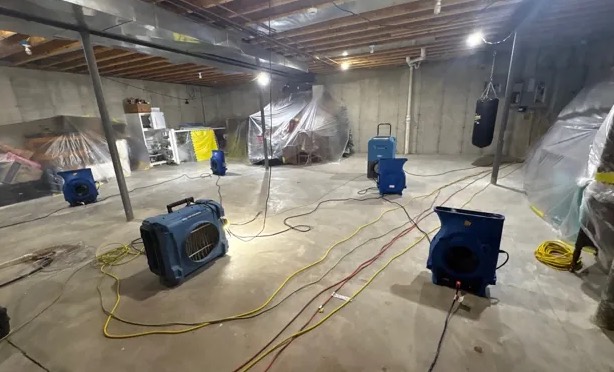
Reliable Basement Water Removal Near Roswell, Georgia
Basement Water Removal in Roswell protects more than the floor. Furnaces, water heaters, washers and stored belongings in the basement can all be damaged by standing water.
A finished basement or lower level in Roswell or Dunwoody, Sandy Springs and Milton can hide water under flooring and behind drywall. The pros find and remove it before it causes lasting damage.
Basement Water Removal Services in Roswell
Basement Dehumidification
After drying, a household dehumidifier may still be needed to keep basement humidity in a healthy range.
Basement Wall Drying
Concrete and block walls dry with directed airflow and dehumidification, which pull water out of the masonry.
Basement Water Pump Out
When water is more than an inch or two deep, pumps move it far faster than wet vacs, which limits how long walls sit in water.
Basement Moisture Inspection
An inspection shows how high water wicked up the walls and how far it spread under flooring, which sets the drying plan.
Basement Floor Water Damage
Flooring that buckled or swelled is removed. Tile and sealed concrete can often be cleaned and dried in place.
When to Call for Basement Water Removal in Roswell
Standing Water in Basement
Standing water anywhere on the basement floor needs to be pumped out before it soaks the walls.
Mold or Mildew
Dark spots on drywall, framing or stored items mean the area has stayed wet for days.
Sump Pump Failure or Overflow
A sump pit that is full, overflowing or has a pump that will not start means water is about to spread.
Soggy or Wet Carpeting
Carpet that feels damp or smells sour is holding water in the pad against the concrete.
How Basement Water Removal Works in Roswell
Step 1: Source Control and Water Pump Out
The leak is shut off and standing water is pumped out, starting at the lowest point.
Step 2: Water Extraction
Extractors pull water from carpet, pad and concrete, and wet vacs clear corners and stairs.
Step 3: Dehumidification and Drying
Large dehumidifiers and air movers dry walls, framing and slab over several days.
Step 4: Inspection and Clearance for Repair
Final readings confirm the basement is dry and ready for drywall and flooring repairs.
Sources of Basement Water Problems
Plumbing Leaks or Pipe Bursts
Supply lines, drain pipes and water heaters in the basement can leak or burst onto the floor.
Clogged or Damaged Gutters
Clogged gutters and short downspouts dump roof water right next to the foundation.
Window Well Leaks and Drainage
Window wells without drains or covers fill with rain and leak through the windows.
Foundation Cracks and Seepage
Cracks in foundation walls and the slab let groundwater seep in during wet weather.
Basement Water Removal for Homes and Businesses
Residential Basement Water Removal
Families should keep children and pets away from basement water until power is safe and the type of water is known.
Commercial Basement Water Removal
In restaurants and shops, basement water near food or stock storage needs removal and cleaning before those areas are used again.
When to Hire Local Pros for Basement Water Removal
Water that came up through a floor drain may be sewage. Avoid touching it, keep children and pets away and call local basement water removal pros for cleanup with protective gear and disinfection.
Factors Affecting Basement Water Removal Cost
Waterproofing and drainage work are separate costs. In Roswell, they may be needed to stop the next flood.
Water Depth and Volume
Deeper water takes more pumping time and usually means more materials got wet.
Basement Square Footage
Larger basements need more extraction, more drying equipment and more days of drying.
Additional Services
Antimicrobial treatment, contents cleaning and repairs after drying add to the cost.
Does Insurance Cover Basement Water Removal?
Coverage for basement water removal depends on the water source and your policy. The pros document the damage and drying, and your insurer decides what is covered.
Advantages of Local Basement Water Removal Experts
24/7 Emergency Response
Help is available day or night when water is rising in the basement.
Methodical Water Removal Process
Water is removed in a set order: pump-out, extraction, removal of soaked materials, then drying.
Focus on Drying Outcomes
Drying continues until readings are normal, not just until surfaces look dry.
Emergency Basement Water Removal Available 24/7
Water still rising in the basement? Call (770) 800-8286 now for basement water removal in Roswell before the water reaches finished rooms and stored belongings.
Call Now (770) 800-8286Communities Served for Basement Water Removal
Nearby areas served for basement water removal include Dunwoody, Sandy Springs and Milton, with the same pumping and drying steps used in Roswell.
- Basement Water Removal in Dunwoody
- Basement Water Removal in Sandy Springs
- Basement Water Removal in Milton
- Basement Water Removal in Peachtree Corners
- Basement Water Removal in Doraville
- Basement Water Removal in Johns Creek
- Basement Water Removal in Berkeley Lake
- Basement Water Removal in Chamblee
- Emergency Damage Restoration in 30075
- Storm Damage Restoration in 30075
- Water Damage Restoration in 30075
- Water Extraction Service in 30075
- Water Leak Detection in 30075
- Water Removal Service in 30075
- Emergency Damage Restoration in 30076
- Storm Damage Restoration in 30076
Common Basement Water Removal Questions Answered
What is involved in basement leak cleanup?
Stopping the leak, extracting the water, drying the floor and walls and checking for hidden moisture under flooring.
How is basement wall drying done?
Wet drywall is cut back, insulation removed and directed airflow and dehumidifiers dry the studs and masonry.
What should I do right after basement flooding?
Make power safe, avoid sewage, move belongings above the water, take photos and call for water removal.
Does basement flood cleanup include mold prevention?
Fast drying is the main prevention. Wood and concrete that stayed wet can be treated with an antimicrobial once dry.
How is contaminated water handled in a basement?
With protective gear, containment, removal of porous materials and disinfection of hard surfaces before drying.