College Park, GA · Fulton County
Attic Water Removal in College Park, GARoof Leak Water Removal & Ceiling Water Damage Cleanup
Attic Water Removal in College Park includes emergency attic water extraction, ceiling water damage cleanup and attic drying services after a leak.
Answered 24/7
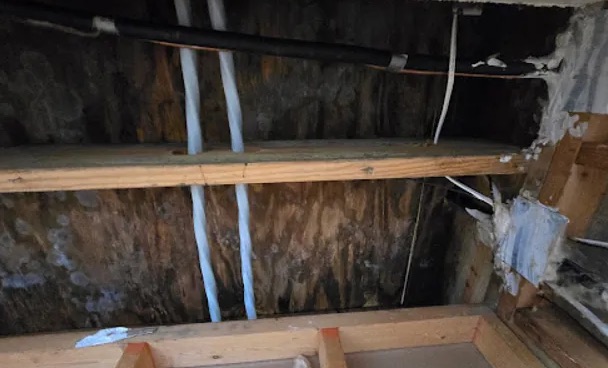
Reliable Attic Water Removal Near College Park
An attic leak is easy to miss and expensive to ignore. In College Park, water from a roof, pipe or AC pan can soak insulation and decking for weeks, then show up all at once as a stained or sagging ceiling.
A heavy storm in College Park can push water into an attic overnight. Local attic water removal pros serve College Park and nearby East Point, Forest Park and Riverdale, with help available around the clock.
Attic Water Removal Services in College Park
Roof Leak Water Removal
The entry point is photographed and marked, which helps both the roofer and your insurance adjuster.
Ceiling Water Damage Cleanup
Fallen drywall, wet insulation and debris in the room below are cleaned up, and floors and furniture are protected during the work.
Attic Leak Water Cleanup
Water-stained debris, wet cardboard and soaked stored items are cleared out so the attic floor can be dried.
Attic Mold Prevention
Ventilation problems, such as blocked soffit vents or a bath fan venting into the attic, are pointed out so the attic does not stay damp.
Attic Moisture Inspection
The inspection shows the full spread of the leak, so every wet area is either dried or removed.
Symptoms Requiring Attic Water Removal in College Park
Wet or Damp Attic Insulation
Insulation that feels damp, looks dark or has packed down in one area has absorbed water.
Rotting Wood on Attic Beams
Soft, dark or crumbling wood on rafters and beams points to long-term moisture.
Water Dripping From Light Fixtures
Water dripping from a ceiling light or fan means an active leak above. Turn off that circuit.
Sagging or Bubbling Ceiling Drywall
Ceiling drywall that sags, bulges or bubbles at the seams is holding water and may fall.
How Attic Water Removal Works in College Park
Step 1: Initial Attic Water Damage Assessment
The pros check safety, find the source and map the wet area with moisture meters.
Step 2: Bulk Water and Material Removal
Pooled water, soaked insulation and any sagging drywall are removed from the attic and ceiling.
Step 3: Attic Drying and Evaporation
Warm, dry airflow is aimed at wet wood, with dehumidifiers removing the moisture it releases.
Step 4: Attic Mold Prevention
Once dry, decking and framing that stayed wet can be cleaned and treated with an antimicrobial.
Leading Origins of Attic Water Damage
Flashing Failures Around Roof Penetrations
Failed flashing around vents, chimneys and skylights lets rain run into the attic.
Appliance Malfunctions Like Water Heater Leaks
Water heaters located in the attic can leak or fail, flooding the attic floor.
Overflow From Clogged Bathroom Exhaust Ducts
Bathroom fan ducts that are loose or vented into the attic release moisture onto the wood.
Condensation From Poor Attic Ventilation
Moist air from the house condenses on roof decking when attic ventilation is poor.
Both Residential & Commercial Attic Water Removal
Residential Attic Water Removal
Homeowners with stored items in the attic need those moved out first. Wet boxes are dried or discarded before the attic floor is cleaned and dried.
Commercial Attic Water Removal
Offices and stores need the space below protected while attic work is under way. Drying is planned around business hours where possible.
Professional Attic Water Removal Compared to DIY
A fan in the room below does little for wet attic wood. Drying the attic takes equipment up there and readings to confirm it is dry.
Estimating Attic Water Removal Expenses in College Park
Tight attic access, blown-in insulation removal and storm-night calls all add to the total for attic water removal in College Park.
Drying Time Required
Dense wood framing can take several days to dry, which adds equipment time.
Secondary Damage Repairs
Ceiling drywall replacement and paint in the room below add to the total.
Access and Attic Complexity
Low headroom and small access hatches make attic work slower than open spaces.
Does Insurance Cover Attic Water Removal?
Many homeowner policies cover sudden attic leaks from storms or burst pipes, but not damage from worn roofing or slow leaks. Read your policy and call your insurer early.
Benefits of Local Pros for Attic Water Removal
24/7 Emergency Response
Help is available day or night when water is coming through the ceiling.
Industry Drying Standards
Drying follows industry water damage standards, with moisture readings taken at every visit.
Controlled Demolition Practices
Only wet insulation and drywall are removed, which keeps the repair as small as possible.
Emergency Attic Water Removal Available Anytime
Wet insulation keeps the ceiling soaking every hour it stays. Call (770) 800-8286 for attic water removal in College Park as soon as you see a stain or drip.
Call Now (770) 800-8286Nearby Towns for Attic Water Removal from College Park
Besides College Park, local attic water removal pros remove attic water, wet insulation and soaked ceiling drywall in nearby East Point, Forest Park and Riverdale.
- Attic Water Removal in East Point
- Attic Water Removal in Forest Park
- Attic Water Removal in Riverdale
- Attic Water Removal in Union City
- Attic Water Removal in Morrow
- Attic Water Removal in Fairburn
- Attic Water Removal in Decatur
- Attic Water Removal in Tyrone
- Emergency Damage Restoration in 30337
- Storm Damage Restoration in 30337
- Water Damage Restoration in 30337
- Water Extraction Service in 30337
- Water Leak Detection in 30337
- Water Removal Service in 30337
Attic Water Removal FAQs
Do I need ceiling water damage cleanup too?
Usually. Water in the attic soaks the ceiling below, which needs to be checked and dried or replaced.
What happens during wet attic cleanup?
Water, wet insulation and debris are removed, stored items are moved out and the attic floor is cleaned before drying.
What equipment is used for attic water extraction?
Wet vacs, pumps, air movers, dehumidifiers, moisture meters and thermal cameras, plus vacuums for wet insulation.
Why is emergency attic drying important?
Wet wood and drywall break down quickly. Drying fast saves more of the ceiling and lowers the risk of microbial growth.
Can I remove attic water myself?
Only small amounts that are easy to reach safely. Pooled water and soaked insulation need safe footing and drying equipment.