Fayetteville, GA · Fayette County
AC Unit Water Removal in Fayetteville, GAAC Leak Mold Prevention & AC Leak Water Cleanup
AC Unit Water Removal in Fayetteville runs from emergency AC water removal and AC leak water cleanup to air conditioner restoration services.
Answered 24/7
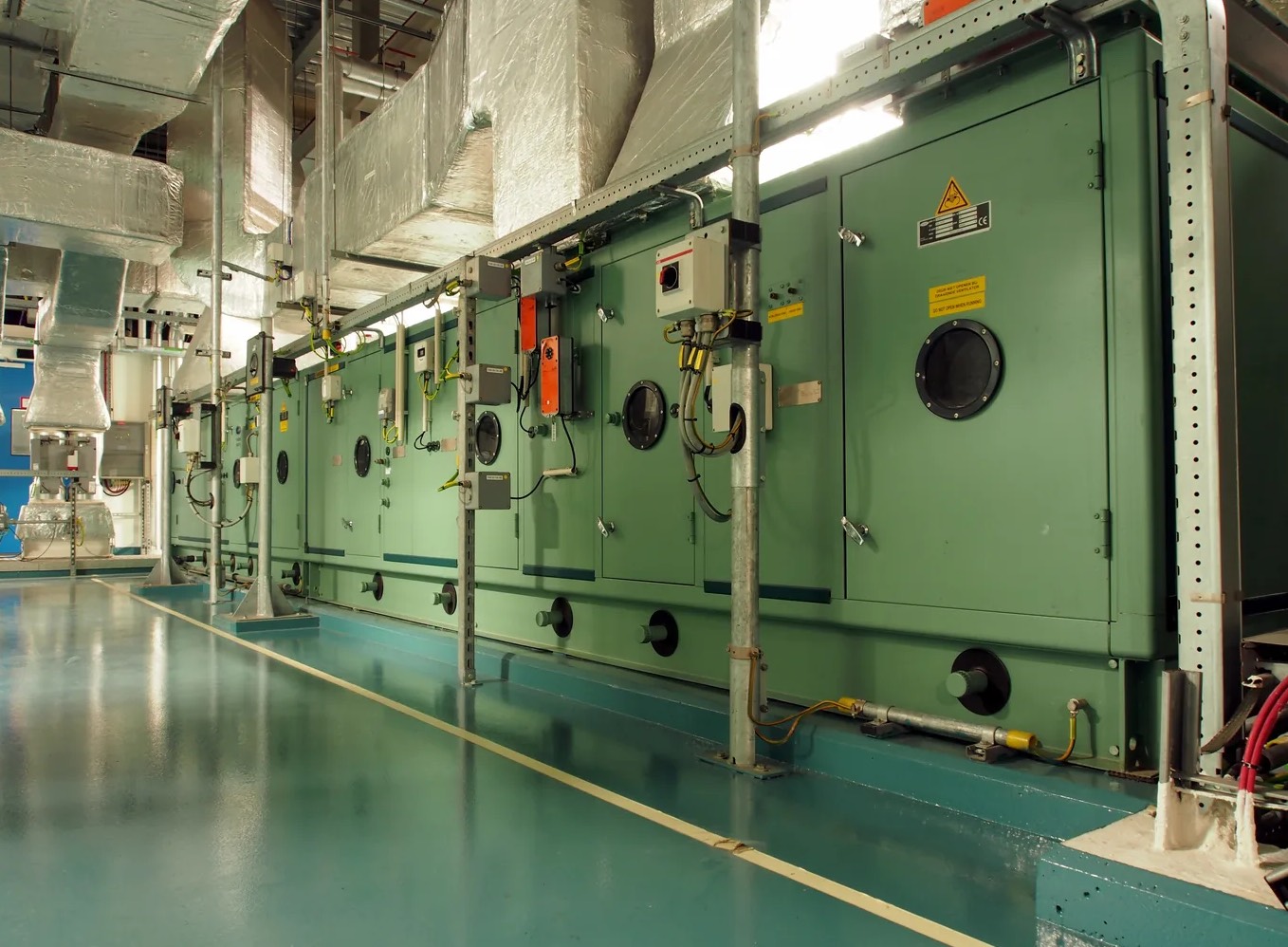
Expert AC Unit Water Removal for Fayetteville Homes
Attic air handlers in Fayetteville leak straight into the ceiling below. A sagging or stained ceiling under the unit means water is already in the drywall and possibly the insulation above it.
A leaking AC in Fayetteville rarely fixes itself, and the water keeps soaking the same drywall and subfloor until the drain is cleared. Local water extraction experts serve Fayetteville and nearby Lovejoy, Tyrone and Peachtree City, with help available around the clock for leaks of any size.
Detailed AC Unit Water Removal Offerings for Fayetteville
AC Leak Mold Prevention
Antimicrobial treatment is an add-on step after drying, not a substitute for removing wet materials that cannot be saved.
AC Leak Water Cleanup
Water from an overflowing air handler is extracted from the floor, closet or mechanical room, then nearby walls are checked with a moisture meter.
AC Leak Water Extraction
Water is removed from every wet surface the leak reached, including closets and rooms below an attic air handler.
Air Conditioner Restoration Services
After drying, damaged drywall, trim or ceiling panels near the unit can be replaced and repainted.
Wet AC Unit Component Drying
Air movers and a dehumidifier are set around the unit, and moisture readings are taken until the metal and insulation test dry.
Indicators for Emergency AC Unit Water Removal
Unusual AC System Noises
Gurgling or dripping sounds from the unit can mean water is backing up in the drain line.
Reduced Cooling Efficiency
A clogged drain can trip a float switch or starve the coil of airflow, so the system runs longer and cools less.
AC Unit Circuit Breaker Trips
Water reaching electrical parts can trip the breaker. Shut the unit off and call before resetting it again.
Visible Mold Near AC
Dark spots on drywall or framing near the unit mean the area has stayed wet for days.
How AC Unit Water Removal Works in Fayetteville
Step 1: Leak Assessment
The pros find the source of the leak, check how far the water spread and take moisture readings.
Step 2: Source Stop and Water Removal
The drain is cleared or the leaking part isolated, then standing water is extracted from every wet area.
Step 3: System Drying and Dehumidification
Drying equipment runs until walls, floors and insulation test dry, with readings taken at each visit.
Step 4: Verification and Restoration
Final readings confirm the materials are dry, then damaged drywall, trim or ceiling panels can be replaced.
Frequent Sources of AC Water Damage
Failed Condensate Pump
Units that pump condensate uphill depend on a small pump. When it fails, the reservoir overflows.
Frozen Evaporator Coils Thawing
A coil that freezes from low airflow sheds a large amount of water at once when it thaws.
Excess Outdoor Humidity
Very humid air makes the coil produce more water than a partly clogged drain can carry.
Improper AC Unit Installation
A unit that is not level, or a drain line without enough slope, lets water pool instead of draining.
Residential and Commercial AC Unit Water Removal in Fayetteville
Residential AC Unit Water Removal
In a home, an AC leak usually hits a hallway ceiling, a closet floor or the carpet near the air handler. Water removal and drying start there, followed by drywall repair if needed.
Commercial AC Unit Water Removal
In offices and stores, a leaking rooftop or ceiling unit drips onto desks, stock and floors and creates slip hazards. Work can be scheduled around business hours where possible.
When to Hire Local Pros for AC Unit Water Removal in Fayetteville
Mopping up a small drip and clearing the drain line with a wet vac is a reasonable DIY step. Call local water extraction experts if water reached the ceiling, walls or insulation, or if the leak keeps coming back after you clear the line.
Factors Influencing AC Unit Water Removal Cost in Fayetteville
In Fayetteville, most of the cost comes from extraction, equipment days and any drywall or insulation that has to be replaced. A walk-through sets the scope before work starts.
System Restoration Complexity
Replacing drywall, insulation or trim after drying adds material and labor to the total.
Preventative Treatment Scope
Antimicrobial treatment is an optional step, priced by the size of the area treated.
Emergency Service Timing
After-hours and holiday response can cost more than a scheduled weekday visit.
Does Insurance Cover AC Unit Water Removal?
Ask your adjuster whether clearing the condensate line is covered or treated as routine maintenance, since policies differ. The water damage to ceilings, walls and floors is often handled separately from the unit.
Why Choose Local Pros for AC Unit Water Removal in Fayetteville
24/7 Emergency Response
Help is available any hour, which matters when an attic unit starts leaking into a ceiling at night.
Preventative Microbial Treatment
Optional antimicrobial treatment can be applied to wood and drywall that stayed wet for days.
Drain Pan Extraction
Both the main pan and the safety pan are emptied and checked for damage.
24/7 Emergency AC Unit Water Removal Response in Fayetteville
Every hour of standing water means more drying later and more materials to replace. Call (770) 800-8286 for AC unit water removal in Fayetteville as soon as you see the leak.
Call Now (770) 800-8286AC Unit Water Removal Available in Fayetteville and Surrounding Towns
Help with AC unit water removal reaches Lovejoy, Tyrone and Peachtree City, plus other communities around Fayetteville, for houses, apartments and commercial buildings with leaking AC units.
- AC Unit Water Removal in Lovejoy
- AC Unit Water Removal in Tyrone
- AC Unit Water Removal in Peachtree City
- AC Unit Water Removal in Riverdale
- AC Unit Water Removal in Hampton
- AC Unit Water Removal in Brooks
- AC Unit Water Removal in Forest Park
- AC Unit Water Removal in Fairburn
- Emergency Damage Restoration in 30214
- Storm Damage Restoration in 30214
- Water Damage Restoration in 30214
- Water Extraction Service in 30214
- Water Leak Detection in 30214
- Water Removal Service in 30214
- Emergency Damage Restoration in 30215
- Storm Damage Restoration in 30215
Common AC Unit Water Removal Questions Answered
How does antimicrobial treatment help after an AC leak?
Once surfaces are dry, an antimicrobial can be applied to wood and drywall that stayed wet to slow microbial growth.
What happens during AC water extraction?
Pumps and extractors remove water from the pan, floor and carpet, then moisture meters check walls and subfloor for hidden water.
Is air conditioner restoration separate from water removal?
Yes. Water removal and drying come first. Restoration covers repairs afterward, such as replacing drywall or ceiling panels.
Why does the drain pan need to be emptied?
A full pan overflows into ceilings and floors. Emptying and inspecting it stops the spill and shows whether the pan is cracked.
Why document AC water damage?
Photos and moisture readings show what got wet and how it was dried, which helps your insurance claim.