Dawsonville, GA · Dawson County
AC Unit Water Removal in Dawsonville, GAAC Condensate Drain Clearing & Emergency AC Water Removal
Get AC unit water removal in Dawsonville: AC leak water extraction, wet AC unit component drying and air conditioner restoration services.
Answered 24/7
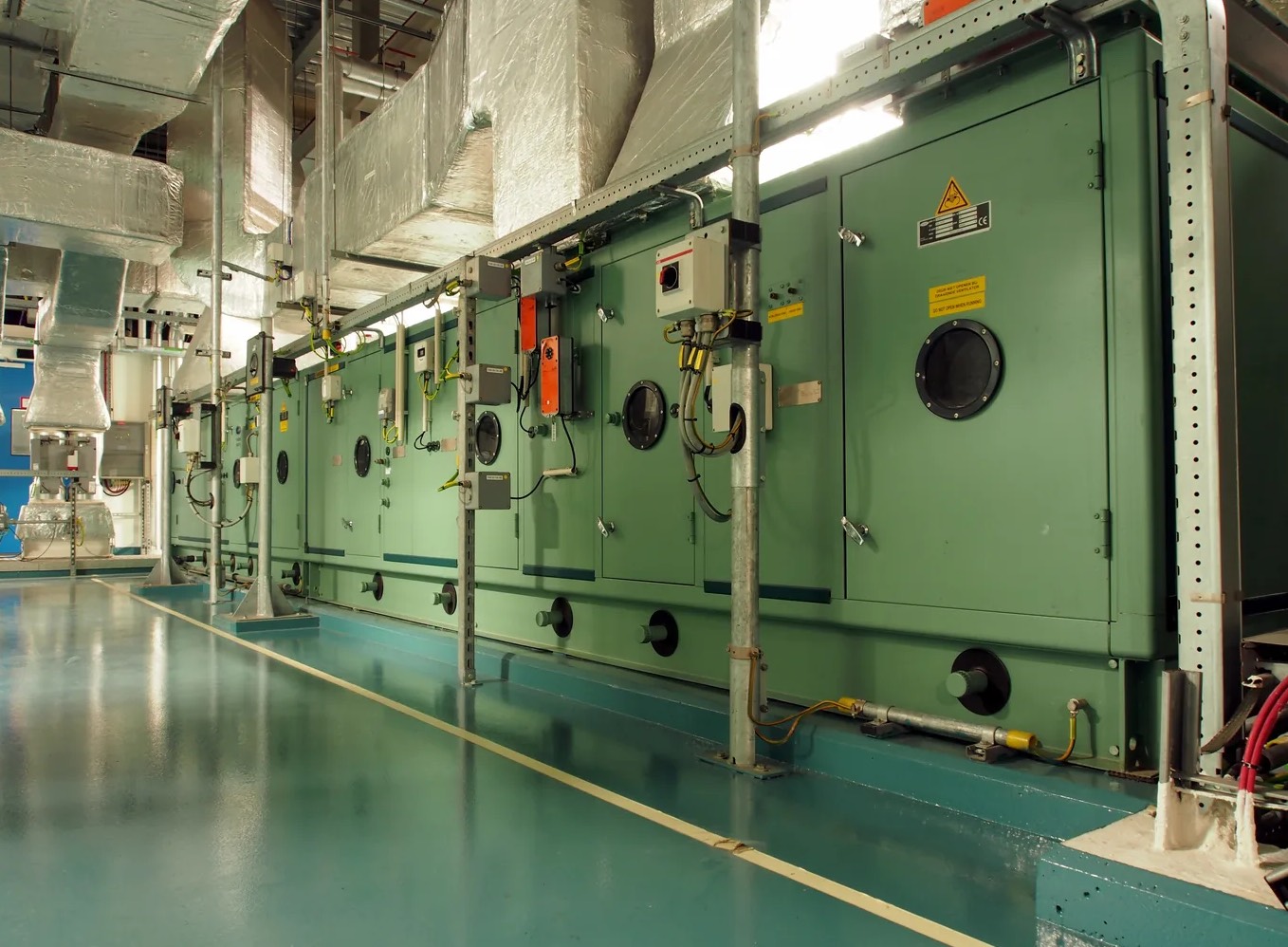
Trusted AC Unit Water Removal for Dawsonville Residents
When water drips from a ceiling vent or pools around the furnace closet in Dawsonville, the AC drain is the usual suspect. A clogged condensate line sends water back into the pan until it spills over.
Property owners in Dawsonville can call (770) 800-8286 day or night when an air handler starts leaking. Service also covers Dahlonega, Cumming and Ball Ground, with the same extraction, drain clearing and drying process for attic, closet and garage units in houses, condos and apartments.
The AC Unit Water Removal Process in Dawsonville, GA
AC Condensate Drain Clearing
A clogged condensate line is the most common reason an AC unit leaks. The pros flush out algae and sludge so condensate drains away again.
Emergency AC Water Removal
Help is available day or night for leaks that start after hours, when water dripping from an attic unit cannot wait until morning.
AC Drain Pan Water Extraction
A soaked pan in an attic unit is a ceiling leak waiting to happen. Extracting it quickly protects the drywall underneath.
AC Leak Water Cleanup
Cleanup starts at the drain pan and works outward, removing pooled water and wet debris so drying can begin.
AC Leak Mold Prevention
Once materials are dry, an EPA-registered antimicrobial can be applied to wet wood and drywall near the unit to slow microbial growth.
Indicators for Emergency AC Unit Water Removal
AC System Shuts Off
Many units have a float switch that shuts the system off when the pan fills. If the AC stops cooling, check the pan.
AC Unit Circuit Breaker Trips
Water reaching electrical parts can trip the breaker. Shut the unit off and call before resetting it again.
Wet AC Unit Components
Damp coils, a wet blower compartment or moisture around wiring inside the cabinet mean water is collecting where it should not.
High Indoor Humidity Levels
Rooms that feel clammy while the AC runs may mean water is not draining and is evaporating back into the air.
How AC Unit Water Removal Works in Dawsonville
Step 1: Emergency AC Water Removal
The unit is shut off and standing water is extracted from the drain pan, the floor and any carpet or pad it reached.
Step 2: AC Condensation Line Clearing
The drain line is flushed or vacuumed clear of algae and sludge, so condensate flows outside again.
Step 3: Wet AC Unit Component Drying
Air movers and a dehumidifier dry the cabinet interior and the walls, floor or ceiling around the unit.
Step 4: AC Leak Mold Prevention
Once readings show dry, wood and drywall that stayed wet can be treated with an antimicrobial.
Common Causes of AC Unit Water Damage in Dawsonville
Clogged AC Condensation Line
Algae and sludge build up in the drain line over a cooling season until water backs up into the pan.
Disconnected Drain Line
A drain line knocked loose in the attic or closet empties condensate onto the ceiling or floor.
Failed Condensate Pump
Units that pump condensate uphill depend on a small pump. When it fails, the reservoir overflows.
Age and Component Wear
Older units have worn fittings, brittle seals and corroded pans that start leaking together.
Both Residential & Commercial AC Unit Water Removal in Dawsonville
Residential AC Unit Water Removal
For homeowners, the main risk is water soaking into insulation and drywall where no one sees it. Moisture meters find that hidden water so it can be dried before it causes rot.
Commercial AC Unit Water Removal
For property managers, one leaking unit can affect several suites or the floor below. Each wet area is extracted, dried and documented for the owner and insurer.
Why DIY AC Water Removal Often Fails in Dawsonville
DIY works for a small puddle on tile that you catch right away and wipe dry. Wet carpet and pad, or drywall that feels soft, usually need professional extraction and drying equipment to dry fully.
AC Unit Water Removal Cost in Dawsonville, GA
The cost of AC unit water removal in Dawsonville depends on how much water leaked, which materials got wet and how long drying takes. A clogged line caught early costs far less than a soaked ceiling.
Preventative Treatment Scope
Antimicrobial treatment is an optional step, priced by the size of the area treated.
Documentation Needs
Detailed photos and moisture logs for an insurance claim add some time to the job.
Affected Component Count
The more of the system that got wet, such as the blower, panels and insulation, the more drying time is needed.
Does Insurance Cover AC Unit Water Removal?
Coverage for AC unit water removal varies from policy to policy. The pros document the damage and the drying, but your insurer decides what is covered and what is not, so ask early in the claim.
The Value of Local Pros for AC Unit Water Removal in Dawsonville
Clear Process Communication
Each step is explained before work starts, so you know what is being removed and why.
Drain Pan Extraction
Both the main pan and the safety pan are emptied and checked for damage.
Industry Drying Standards
Drying follows industry water damage standards, with moisture readings at each visit.
24/7 Emergency AC Unit Water Removal Response in Dawsonville
Night, weekend or holiday, local water damage pros handle leaking AC units in Dawsonville. Call (770) 800-8286 to get the water out, the condensate drain cleared and drying started.
Call Now (770) 800-8286AC Unit Water Removal Throughout Dawsonville and Beyond
Help with AC unit water removal is also available in communities near Dawsonville, including Dahlonega, Cumming and Ball Ground, for leaking air handlers and overflowing drain pans.
- AC Unit Water Removal in Dahlonega
- AC Unit Water Removal in Cumming
- AC Unit Water Removal in Ball Ground
- AC Unit Water Removal in Jasper
- AC Unit Water Removal in Gainesville
- AC Unit Water Removal in Ellijay
- AC Unit Water Removal in Oakwood
- AC Unit Water Removal in Canton
- Emergency Damage Restoration in 30534
- Storm Damage Restoration in 30534
- Water Damage Restoration in 30534
- Water Extraction Service in 30534
- Water Leak Detection in 30534
- Water Removal Service in 30534
Frequently Asked Questions About AC Unit Water Removal in Dawsonville
How long does drying take after an AC leak?
Often several days, depending on the materials and how long they were wet. Daily readings track progress.
Why document AC water damage?
Photos and moisture readings show what got wet and how it was dried, which helps your insurance claim.
What equipment is used to dry AC leak damage?
Extractors, air movers, dehumidifiers and moisture meters, plus wet vacs or pumps for the drain line.
What happens during AC water extraction?
Pumps and extractors remove water from the pan, floor and carpet, then moisture meters check walls and subfloor for hidden water.
How does antimicrobial treatment help after an AC leak?
Once surfaces are dry, an antimicrobial can be applied to wood and drywall that stayed wet to slow microbial growth.